1. What Happens After Missing a Credit-Card Payment?
When you miss a credit-card payment, several things may happen.
A. Interest May Be Charged
If the total amount due is not paid by the due date, the interest-free credit period may be lost.
Finance charges may apply to the outstanding amount according to the issuer's terms and RBI requirements.
B. Late-Payment Charges May Apply
The card issuer may apply late-payment charges where permitted.
RBI directions specify that credit-card accounts are reported as past due to credit information companies, or penal charges are levied, only when the account remains past due for more than three days. The days past due are calculated from the payment due date.
C. Your Outstanding Balance May Increase
The unpaid amount may continue attracting applicable finance charges and fees.
D. You May Receive Payment Reminders
The issuer may contact you through calls, SMS, email or other permitted channels regarding the outstanding bill.
E. Your Credit Report May Be Affected
If the payment remains overdue and is reported by the issuer, the repayment history may negatively affect your credit profile.
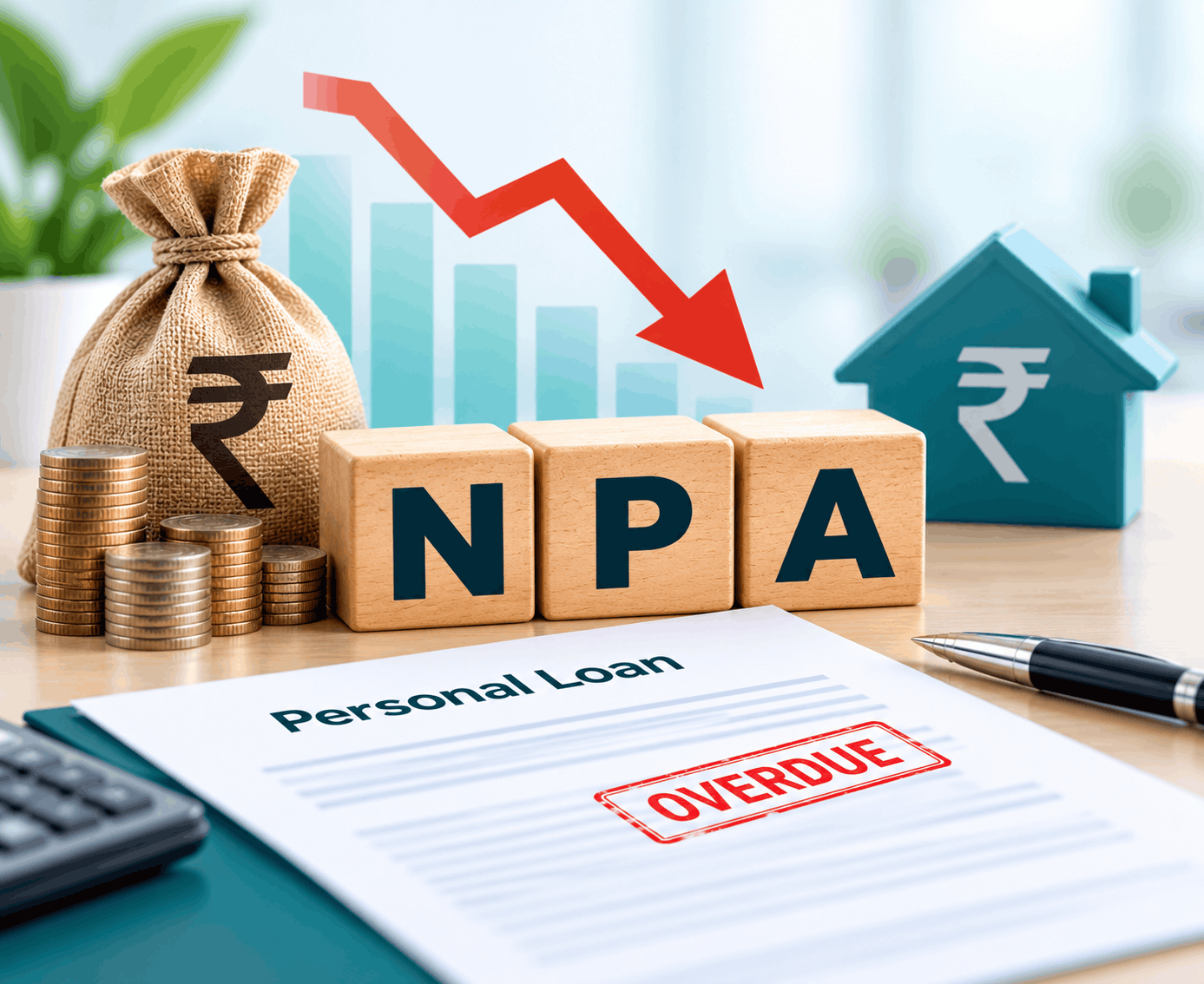
2. What Happens If You Do Not Pay for Several Months?
Continued non-payment can create more serious financial consequences.
|
Situation |
Possible consequence |
|
Missed due date |
Interest and applicable charges |
|
Continued overdue |
Payment reminders and collection communication |
|
Extended non-payment |
Negative credit reporting |
|
Persistent default |
Further recovery measures permitted by law |
|
Unresolved outstanding |
Possible legal recovery action, depending on circumstances |
This is a general explanation, not a fixed timeline for every credit-card issuer.
Do not assume that a particular number of missed months automatically results in the same legal or account classification for every borrower.
3. Does Credit-Card Default Affect Your CIBIL Score?
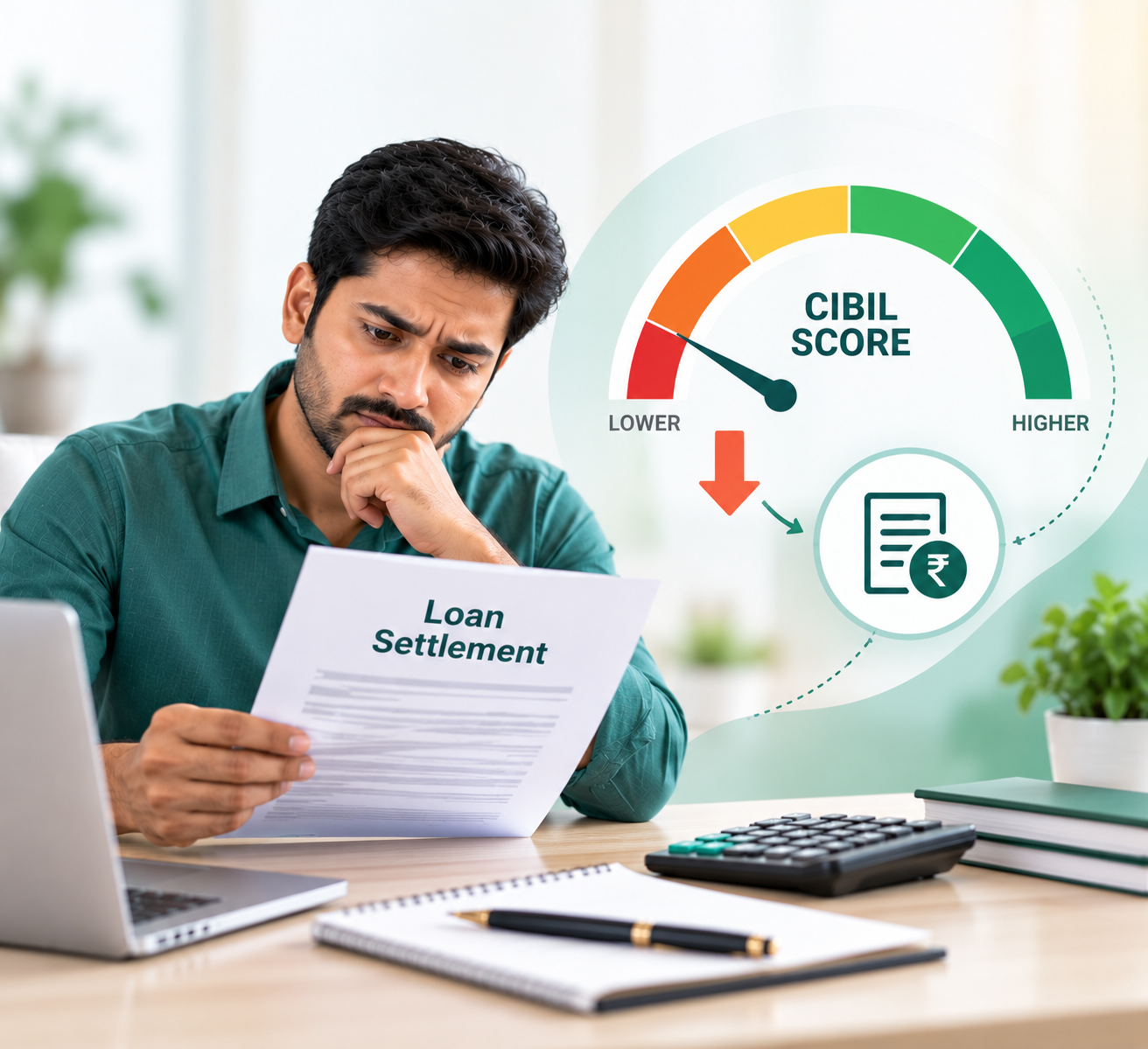
Yes. Missed credit-card payments may negatively affect your CIBIL score if they are reported to the credit bureau.
Credit reports may contain:
- Credit-card account information.
- Outstanding balances.
- Repayment history.
- Overdue amounts.
- Account status.
- Credit enquiries.
A history of delayed payments can make future lenders cautious when evaluating a new credit application.
A settled credit-card account may also appear differently from a fully paid and closed account.
4. Can the Bank Block Your Credit Card If You Stop Paying?
A card issuer may restrict or suspend card usage in accordance with its agreement and applicable rules when payment obligations are not met.
This may mean:
- New purchases are declined.
- Cash advances are unavailable.
- The credit limit cannot be used.
- The issuer may require payment of overdue amounts before considering restoration.
The specific action depends on the issuer's terms and account status.
Blocking the card does not automatically cancel the outstanding balance.
5. Can Credit-Card Recovery Agents Contact You?
Yes. The issuer may appoint authorised recovery agents or use its own employees to communicate about overdue payments.
However, recovery communication must follow applicable RBI requirements.
Recovery agents must not use intimidation, public humiliation, threats or inappropriate intrusion into the privacy of borrowers and their contacts.
RBI instructions also restrict recovery calls before 8 a.m. and after 7 p.m. for overdue loans.
If you experience harassment, document the incident and raise a formal complaint with the card issuer.
6. Can a Bank Take Legal Action for Unpaid Credit-Card Dues?
A card issuer may pursue lawful recovery measures for outstanding credit-card dues, depending on the agreement, facts and applicable law.
A missed payment does not automatically mean that a borrower will be arrested.
However, borrowers should not ignore formal legal notices, court documents or other official communication.
If you receive a legal notice, verify its authenticity and consider consulting a qualified legal professional.
7. What Should You Do If You Cannot Pay Your Credit-Card Bill?
If your financial situation has changed, take action as early as possible.
Step 1: Check the Total Outstanding
Review the latest statement and identify:
- Total amount due.
- Minimum amount due.
- Overdue amount.
- Interest and fees.
- Payment due date.
Step 2: Stop Fresh Spending
Avoid making additional purchases on a card carrying a large unpaid balance.
Step 3: Review Your Monthly Budget
Calculate your take-home income and essential expenses to understand what repayment amount is affordable.
Step 4: Contact the Issuer
Ask whether an eligible EMI conversion, repayment arrangement or other option is available.
Step 5: Avoid Expensive Borrowing
Do not take a new loan without comparing the complete repayment cost.
Step 6: Check Your Credit Report
Review your account status and payment history to identify any incorrect information.
8. Can You Convert Credit-Card Dues Into EMI?
Some issuers offer EMI conversion for eligible purchases or outstanding balances.
Before accepting an offer, check:
- Interest rate.
- Processing fee.
- GST and applicable charges.
- EMI amount.
- Repayment tenure.
- Total amount payable.
- Impact on available credit limit.
A smaller monthly payment may be easier to manage, but a longer repayment tenure may increase the overall cost.
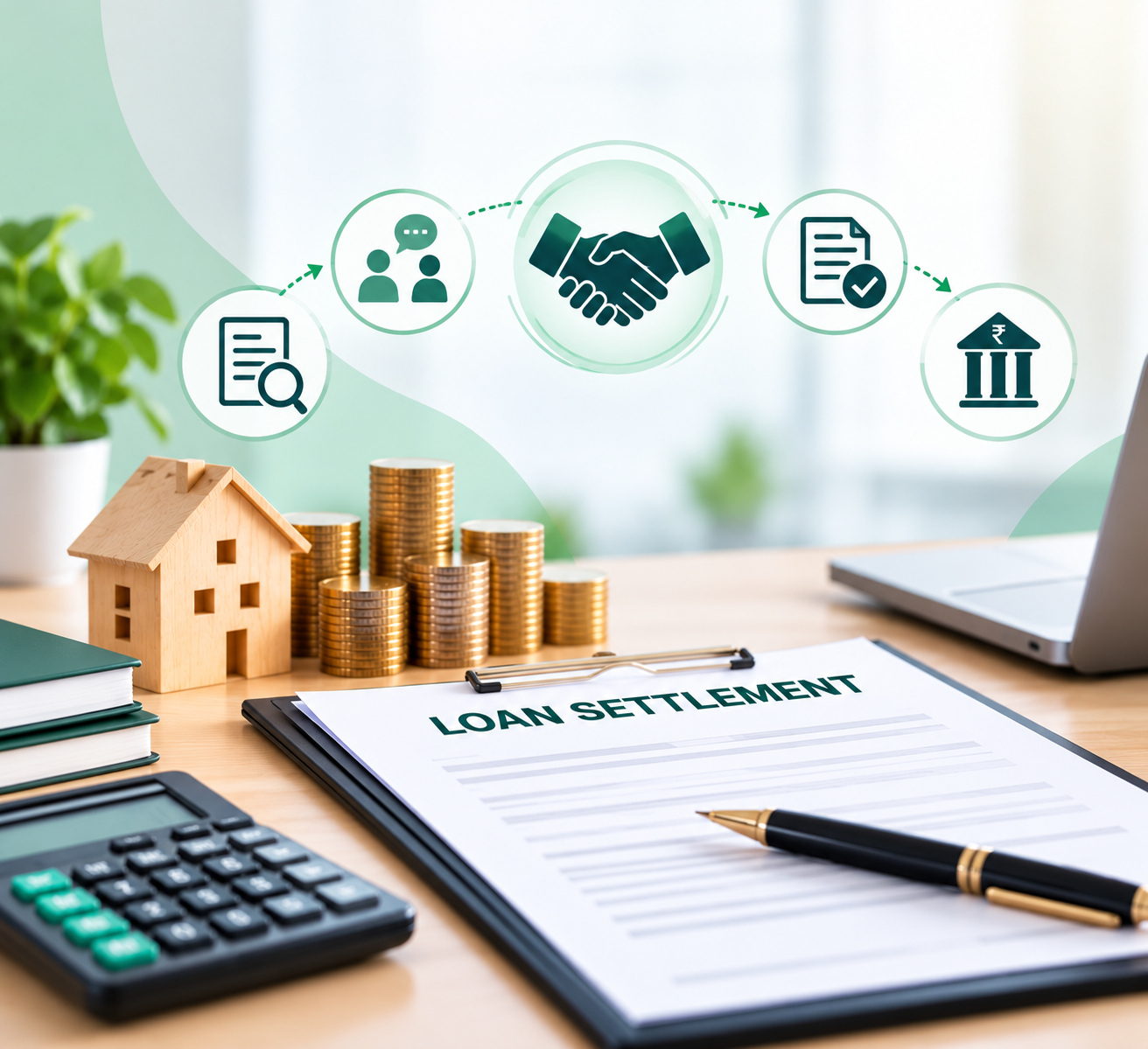
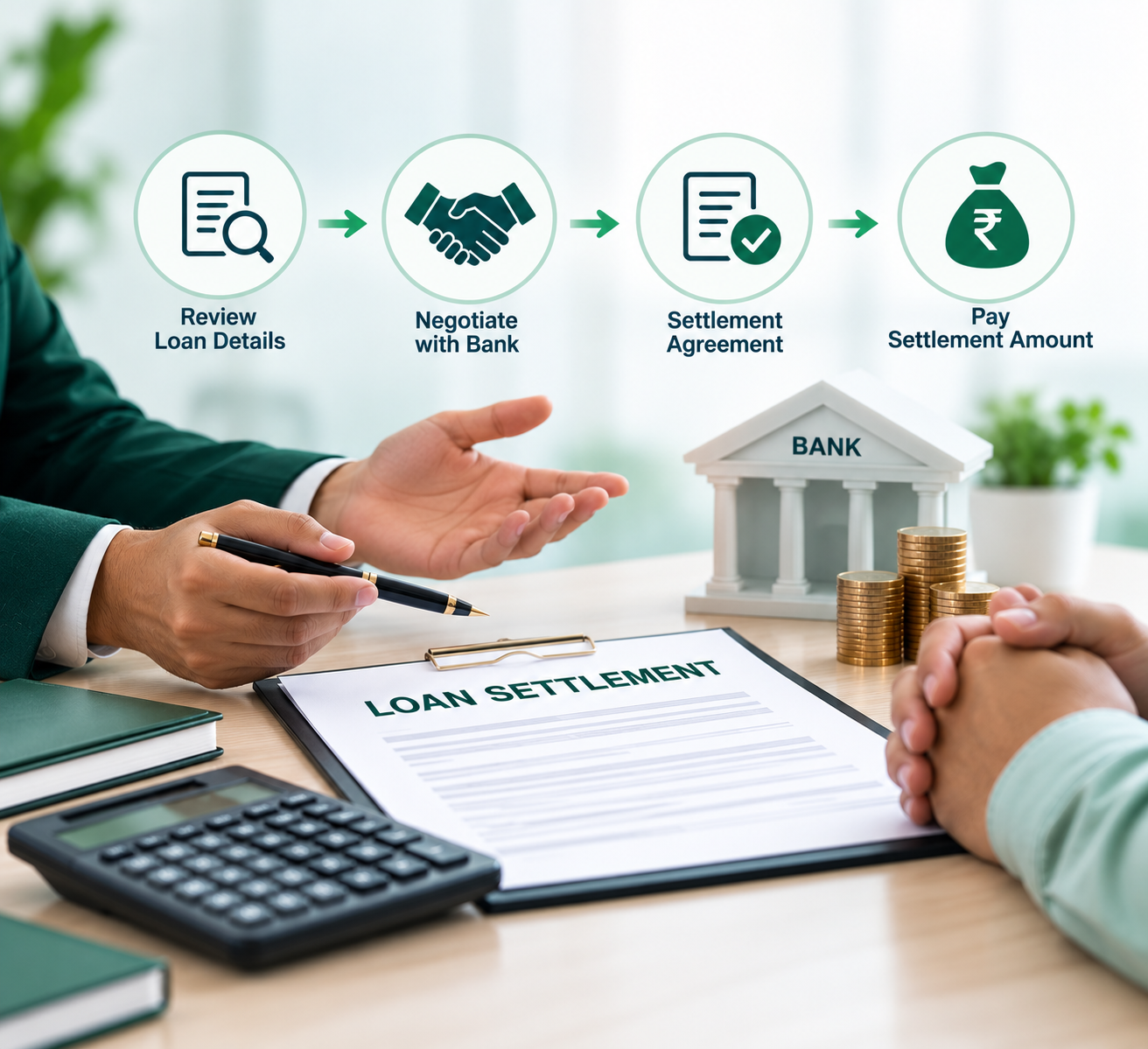
9. Credit-Card Settlement: Is It an Option?
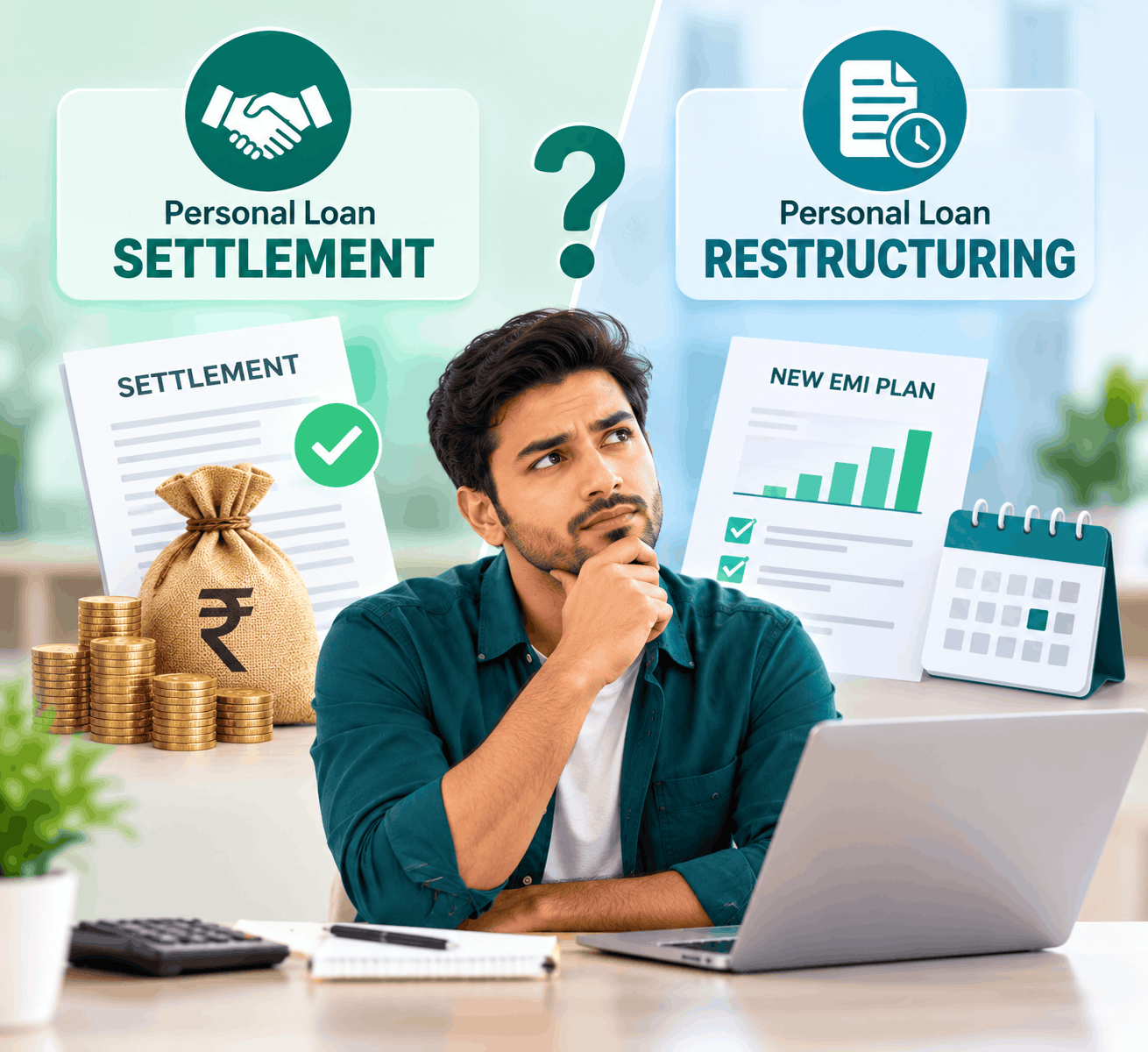
If you are genuinely unable to repay the full outstanding amount, you may approach the issuer to discuss a possible compromise settlement.
Settlement means that the lender agrees to accept an amount different from the full contractual outstanding amount, subject to its approval and policies.
However, it is important to understand the consequences.
- Settlement is not guaranteed.
- The issuer decides whether to approve it.
- There is no universal settlement percentage.
- A settled account may be viewed negatively by future lenders.
- The account may be reported as "Settled" rather than "Closed".
TransUnion CIBIL explains that a settled status reflects a lender's agreement to accept less than the full amount owed.
Always obtain the settlement terms in writing before making payment.
10. How ReducedDebts Can Help With Credit-Card Debt Problems
Credit-card debt can become difficult to manage when interest charges, multiple cards and personal loan EMIs overlap.
ReducedDebts helps borrowers understand:
- Credit-card repayment difficulties.
- Outstanding card balances.
- Personal loan and credit-card obligations.
- Debt-management options.
- Credit-card settlement processes.
- Potential CIBIL implications.
The appropriate option depends on the borrower's financial circumstances and the card issuer's approval.
ReducedDebts is not a lender or a law firm and does not guarantee settlement or debt reduction.
Conclusion
Stopping credit-card payments can create a chain of financial consequences, including additional charges, overdue reporting and recovery communication.
If you cannot pay your credit-card bill, do not ignore the outstanding amount. Understand the statement, review your repayment capacity and contact your issuer about available options.
If you are dealing with multiple credit-card dues and personal loans, reviewing your overall debt situation can help you make more informed decisions.
ReducedDebts helps borrowers understand credit-card settlement and debt-resolution options in India.
Disclaimer: This article is for general educational purposes and is not financial or legal advice. Credit-card charges and recovery procedures depend on issuer terms and applicable regulations. Settlement is subject to issuer approval and may negatively affect your credit profile. ReducedDebts is not a lender or a law firm.