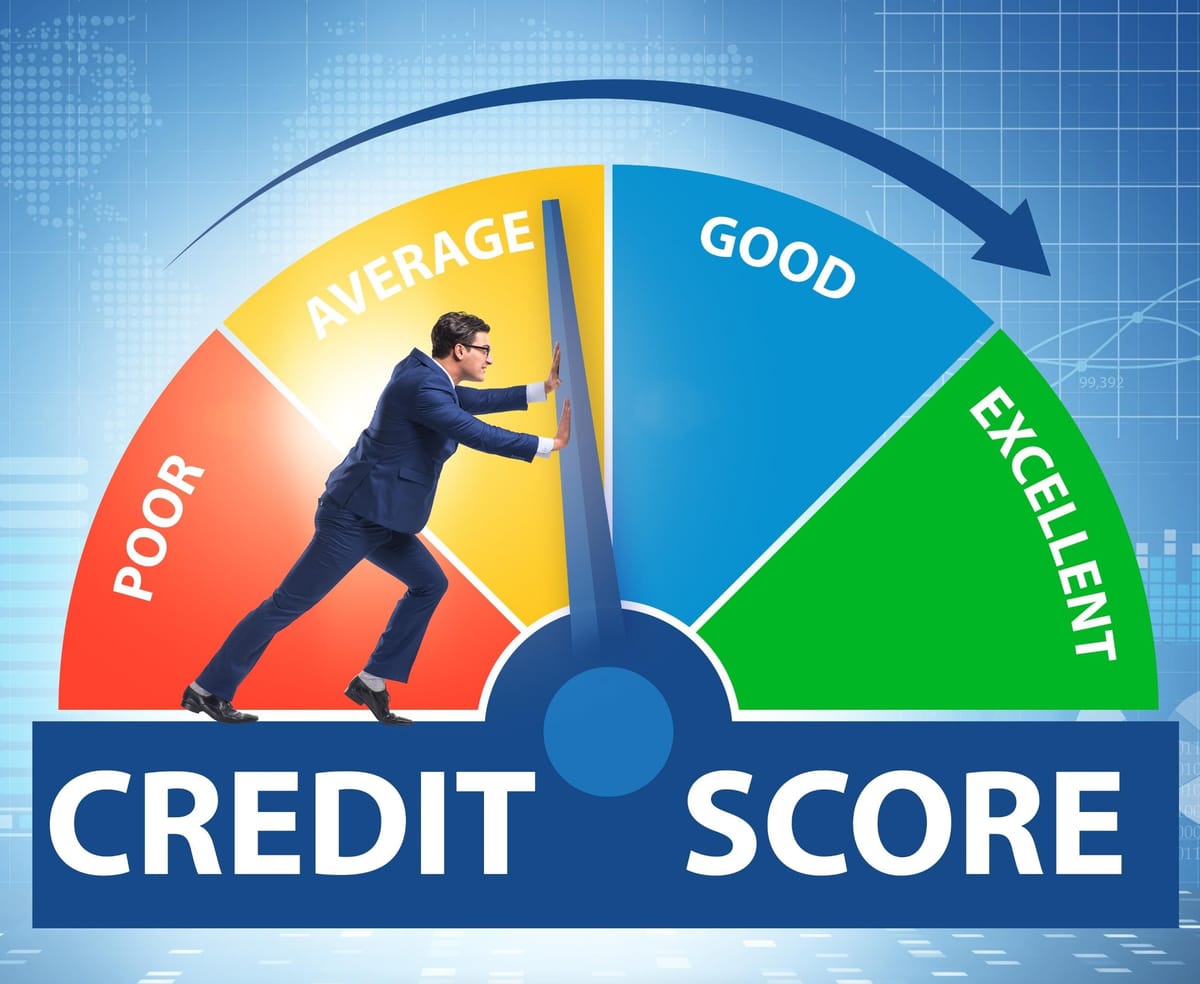
Your credit score is an important part of your financial profile. Missed payments, high credit utilization, outstanding debts, and inaccurate information can affect your credit health. Our team helps you understand your current credit position, identify potential issues, and follow practical steps that can support long-term credit improvement.
Understand your payment history, outstanding balances, and credit activity.
Find the factors that may be negatively affecting your credit score.
ReducedDebts focuses on sustainable credit improvement, not quick fixes or unrealistic promises. This service helps individuals understand how credit scores are calculated, identify inaccuracies, and adopt responsible repayment behavior.
Over time, individuals regain financial credibility and confidence in managing future credit responsibly.
Understand your accounts, payment history, balances, and credit activity.
Find factors that may be negatively affecting your credit health.
Having the right information can make it easier to understand your choices and take the next step toward a healthier financial future.
A damaged or low credit score can create challenges when you need financial assistance.
Your credit report should contain accurate and relevant information about your credit accounts.
Regularly reviewing your credit information can help you identify errors or unfamiliar accounts
If you find inaccurate information, you may have the right to raise a dispute with the relevant credit bureau or creditor.
Understand your outstanding balances, payment history, and credit obligations before making financial decisions.
Debt can quickly become overwhelming. If any of these situations sound familiar, we're here to help you find a practical way forward.
Your current credit score is making it difficult to access suitable financial options.
Delayed or missed loan payments may be affecting your credit history.
Large outstanding credit card balances may be impacting your credit profile.
Unpaid or overdue balances continue to affect your financial position.
Incorrect or outdated information may be appearing on your credit report.
Frequent applications for loans or credit cards may affect your credit profile.
Share your details and talk to our experts.
We review your documents and analyze your case.
Our experts negotiate with the bank on your behalf.
Pay the agreed amount and become debt free.

Knowing your rights and understanding your credit information can help you take better control of your financial profile.
Regularly check your credit report for accurate account and payment information.
If something appears inaccurate, you can seek clarification or raise a dispute through the appropriate channel.
Be careful when sharing financial and credit information with third parties.
We empower individuals to escape high-interest debt cycles with legally sound and financially practical resolution strategies.
Get experienced support for credit-related concerns
Your personal and financial information is handled with care.
Understand credit matters in simple and practical terms.
Get guidance based on your individual credit and financial situation.
Calculate how much you can save and become debt free sooner.
Start by bringing overdue accounts under control and making future repayments consistently on time. Review your credit report for inaccurate information, reduce excessive credit utilisation where possible, and avoid taking on unnecessary new credit. Improvement generally requires consistent positive credit behaviour over time rather than a quick fix.
There is no fixed timeframe for everyone. Credit-score improvement depends on the reasons behind the low score, the number of overdue accounts, repayment history, credit utilisation, outstanding balances, and subsequent payment behaviour. Consistent financial behaviour over time is generally more important than attempting to make a rapid change.
Not necessarily. Paying an overdue amount can help bring the account up to date, but your credit report may not change immediately. The lender needs to report the updated account information to the credit bureau, and the overall effect on your score depends on your complete credit history.
A “settled” account can remain a negative factor compared with an account reported as “closed” after full repayment. You should first ensure that the account information reported by the lender is accurate. Building a stronger credit history through timely payments and responsible credit usage can help over time
High credit utilisation can negatively affect your credit profile. If your balances remain close to your available credit limit, it may indicate greater dependence on revolving credit. Managing balances responsibly and keeping utilisation under control can support healthier credit behaviour.
Multiple applications within a short period can result in several credit enquiries being recorded on your credit report. A large number of recent enquiries may be viewed as a sign of increased demand for credit. It is generally better to apply for new credit selectively rather than submitting applications to many lenders at once.
First, identify the specific account or information that appears incorrect and compare it with your original lender records. You can raise a dispute through the appropriate credit-bureau and lender process and provide supporting documentation where required. Keep track of the dispute until the information is reviewed and updated, if an error is confirmed.
Not necessarily. Closing a credit card can change factors such as your total available credit and credit history. Whether closing an account helps or hurts depends on your overall credit profile, utilisation, account age, repayment history, and other active credit accounts
Yes. Having active loans does not automatically prevent you from building a healthier credit profile. Consistently paying EMIs on time, managing outstanding balances responsibly, avoiding unnecessary credit applications, and maintaining appropriate credit utilisation can contribute to stronger credit behaviour.
There is no single action that instantly rebuilds a credit profile. Start by reviewing your credit report, resolving genuine overdue accounts, correcting inaccurate information, making future payments on time, managing credit utilisation carefully, and avoiding unnecessary borrowing. The goal is to establish a consistent record of responsible credit management.