1. What Is a Small Personal Loan Default?
A small personal loan default occurs when a borrower fails to meet repayment obligations under the loan agreement.
Most personal loans require borrowers to pay a fixed EMI every month. If the borrower does not maintain sufficient funds or misses the payment due date, the EMI may remain unpaid.
A missed EMI can lead to additional charges, overdue amounts and negative credit reporting, depending on the lender's policies and applicable reporting requirements.
For example:
Suppose a borrower takes a personal loan of ₹50,000 and agrees to repay it through monthly instalments.
The borrower initially manages the payments but later experiences a salary reduction. After paying rent, household expenses and other EMIs, there is not enough money left for the small loan instalment.
If the borrower repeatedly misses payments without contacting the lender, the overdue amount may accumulate and the account may move into more serious delinquency stages.
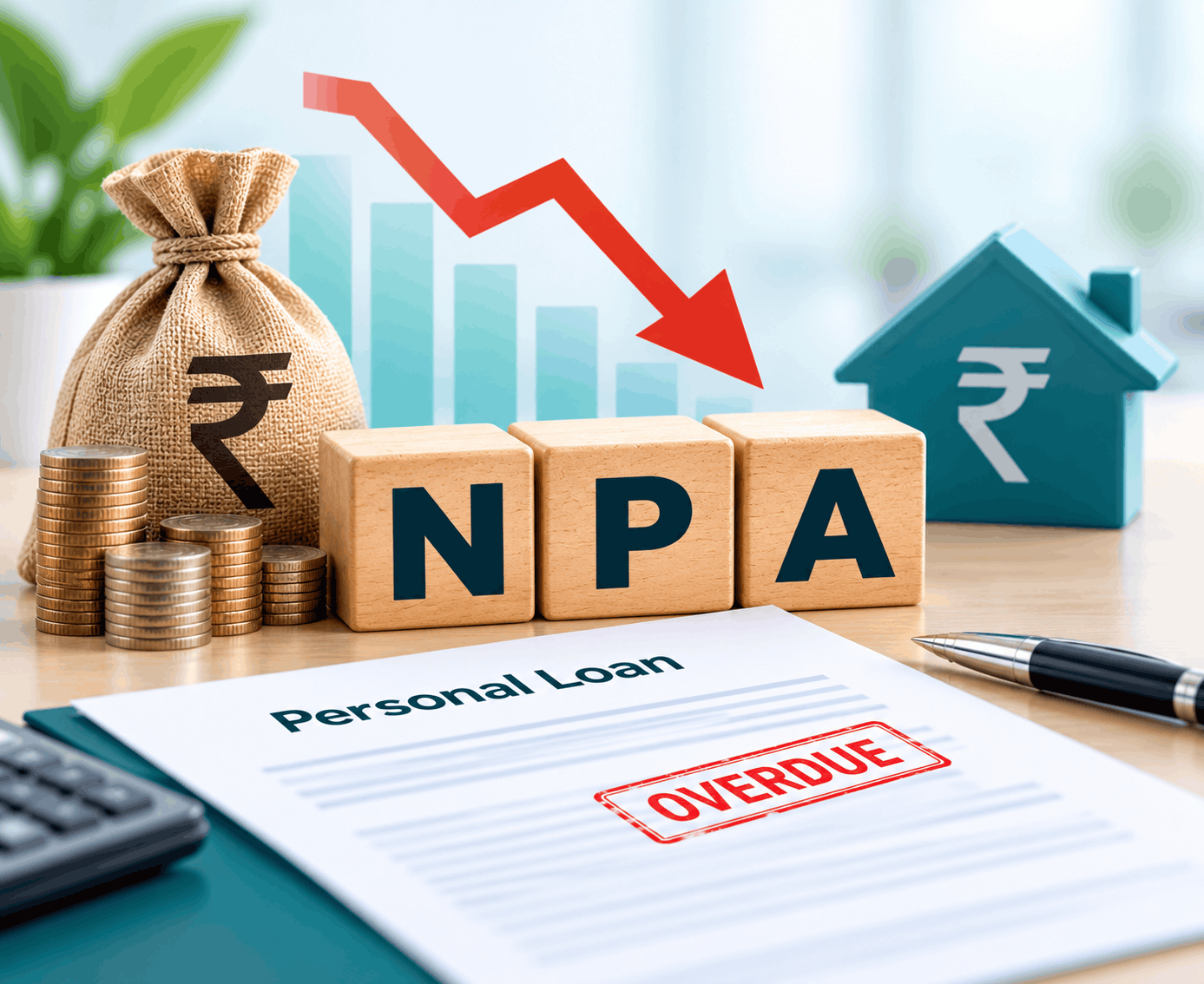
Important: Missing one EMI and being classified as a non-performing asset (NPA) are not necessarily the same thing. Loan classification depends on applicable regulatory norms and the type of lending facility.
2. Why Are Small Personal Loan Borrowers Unable to Repay?
There is rarely one reason behind a loan default. In many situations, borrowers face multiple financial pressures at the same time.
A. Taking Multiple Small Loans
Some borrowers take small loans from different lenders because the individual loan amounts appear manageable.
For example:
- Personal Loan A: ₹25,000
- Personal Loan B: ₹30,000
- Digital Loan C: ₹15,000
- Credit Card Outstanding: ₹20,000
The combined borrowing is ₹90,000, excluding interest and applicable charges.
Although each loan may have a relatively small amount, the combined monthly repayments can put pressure on the borrower's income.
B. Salary Reduction or Job Loss
A borrower who previously had a stable income may suddenly face a salary cut, job loss or delayed salary payments.
When income decreases, existing EMIs do not automatically reduce. This can make it difficult to manage repayments.
C. Borrowing to Repay Existing Loans
One common financial mistake is taking a new loan to pay an existing EMI.
This may temporarily resolve an immediate payment problem, but it can increase the total repayment burden if the new borrowing comes with additional interest and charges.
Repeated borrowing can create a cycle in which one loan is used to repay another.
D. Medical or Family Emergencies
Unexpected medical expenses, family responsibilities or emergency travel can consume money that was originally allocated for loan repayments.
E. Misunderstanding Loan Costs
Some borrowers focus mainly on the loan amount and EMI while overlooking:
- Annual Percentage Rate (APR)
- Processing fees
- Penal charges
- Late-payment charges
- Repayment tenure
- Total repayment amount
Before accepting a digital loan, borrowers should review the Key Fact Statement and understand the complete cost of borrowing.
3. What Happens If You Cannot Repay a Small Personal Loan?
The consequences depend on the loan agreement, lender, duration of non-payment, outstanding amount and applicable regulations.
Here are some possible developments.
1. Late-Payment Charges May Apply
If an EMI is not paid on time, the lender may apply charges according to the loan agreement and applicable regulatory requirements.
Ask the lender for a statement showing the overdue EMI, applicable charges and total outstanding amount.
2. The Lender May Contact You
The lender may contact you through calls, SMS, email or other permitted communication channels to remind you about the overdue payment.
Ignoring every communication may make it more difficult to understand your account position and available repayment options.
3. Your Credit Report May Be Affected
Lenders report credit-account information to credit information companies.
If payments remain overdue, the lender may report the relevant repayment status. This can negatively affect your credit profile.
4. Your Loan Account May Become Seriously Delinquent
If repayments remain unpaid for an extended period, the account may move through different overdue classifications.
For applicable term loans, the general banking NPA framework normally treats an account as non-performing when principal or interest remains overdue for more than 90 days. However, classification rules can differ by facility and lender category.
Do not assume that an account automatically becomes eligible for settlement after 90 days.
5. The Lender May Consider Recovery or Legal Remedies
Depending on the loan agreement and applicable law, the lender may pursue permitted recovery measures.
A borrower should not ignore formal notices, court communications or other legal documents. If a legal notice is received, consider obtaining advice from a qualified legal professional.
4. Does Small Personal Loan Default Affect Your CIBIL Score?
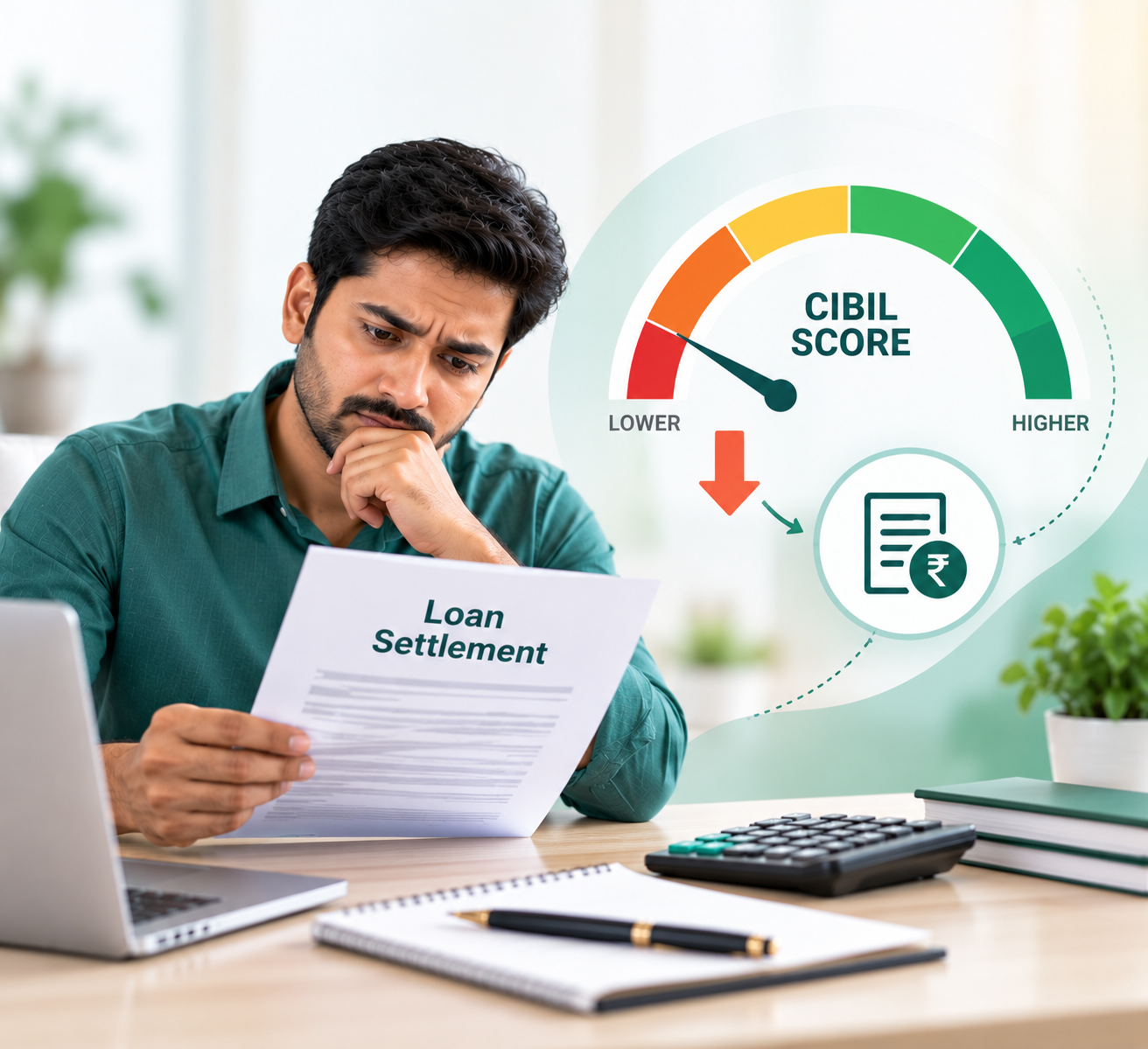
Yes. Missing personal loan EMIs can negatively affect your CIBIL score when the lender reports the missed payments to the credit bureau.
Your credit report may contain information such as:
- Loan account details
- Outstanding balance
- Amount overdue
- Repayment history
- Account status
- Defaults or settlement-related information
A history of missed payments can make lenders view a borrower as a higher credit risk.
Example: How Missed Payments Can Create Credit Problems
Suppose a borrower has a personal loan with a monthly EMI of ₹4,500.
Due to financial difficulties, the borrower misses three consecutive instalments.
The unpaid amount may increase because of applicable charges and interest. The lender may report the overdue status, which can negatively affect the borrower's credit profile.
Future lenders may consider this repayment history when assessing another loan application.
Can your CIBIL score recover after a default?
It may improve over time as the borrower manages credit responsibly and updates are correctly reflected in the credit report. However, recovery is not immediate or guaranteed. The impact depends on the complete credit history and future repayment behaviour.
5. What Should You Do If You Cannot Pay Your Small Personal Loan EMI?
If you are struggling with repayment, taking action early can help you understand your options.
Step 1: Calculate Your Total Outstanding Debt
Make a list of all your current financial obligations.
|
Loan or obligation |
Outstanding amount |
|
Personal Loan A |
₹40,000 |
|
Personal Loan B |
₹25,000 |
|
Digital Loan C |
₹15,000 |
|
Credit Card |
₹20,000 |
|
Total |
₹1,00,000 |
Illustrative example only. Actual outstanding amounts may include interest and charges.
Do not focus only on one loan. Review your complete repayment burden.
Step 2: Calculate Your Monthly Repayment Capacity
Prepare a realistic monthly budget.
Include:
- Monthly take-home income
- Rent and household expenses
- Food and utilities
- Medical expenses
- Existing loan EMIs
- Credit-card payments
- Other essential commitments
This will help you understand how much you can realistically allocate toward debt repayment.
Step 3: Contact Your Lender
If you anticipate missing an EMI, contact the bank or NBFC before the due date wherever possible.
Explain your financial situation and ask whether any suitable repayment options are available.
Depending on the lender's policies and your eligibility, you may ask about:
- Revised repayment arrangements
- Loan restructuring
- EMI-related options
- Repayment schedules
- Other hardship-related assistance
Any revised arrangement requires the lender's approval.
Step 4: Avoid Taking Another Expensive Loan
Taking a new high-cost loan to repay an existing loan may increase your financial burden.
Before borrowing again, compare the complete repayment cost, interest rate, fees and repayment period.
Step 5: Check Your Credit Report
Review your credit report periodically to understand whether your loan accounts and repayments are being reported accurately.
If you identify incorrect information, raise a dispute with the lender and the relevant credit information company.
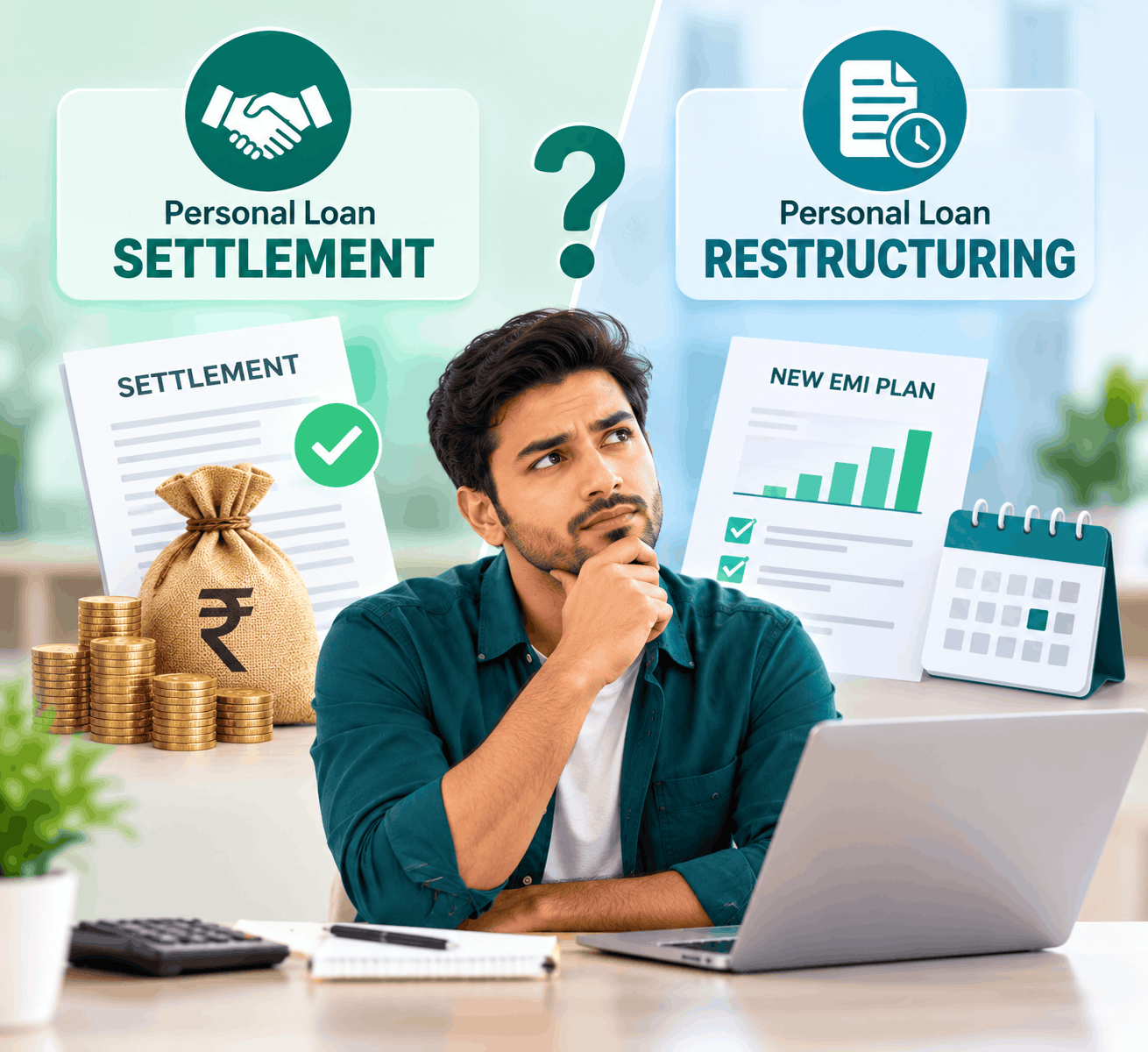
6. Can You Settle a Small Personal Loan?
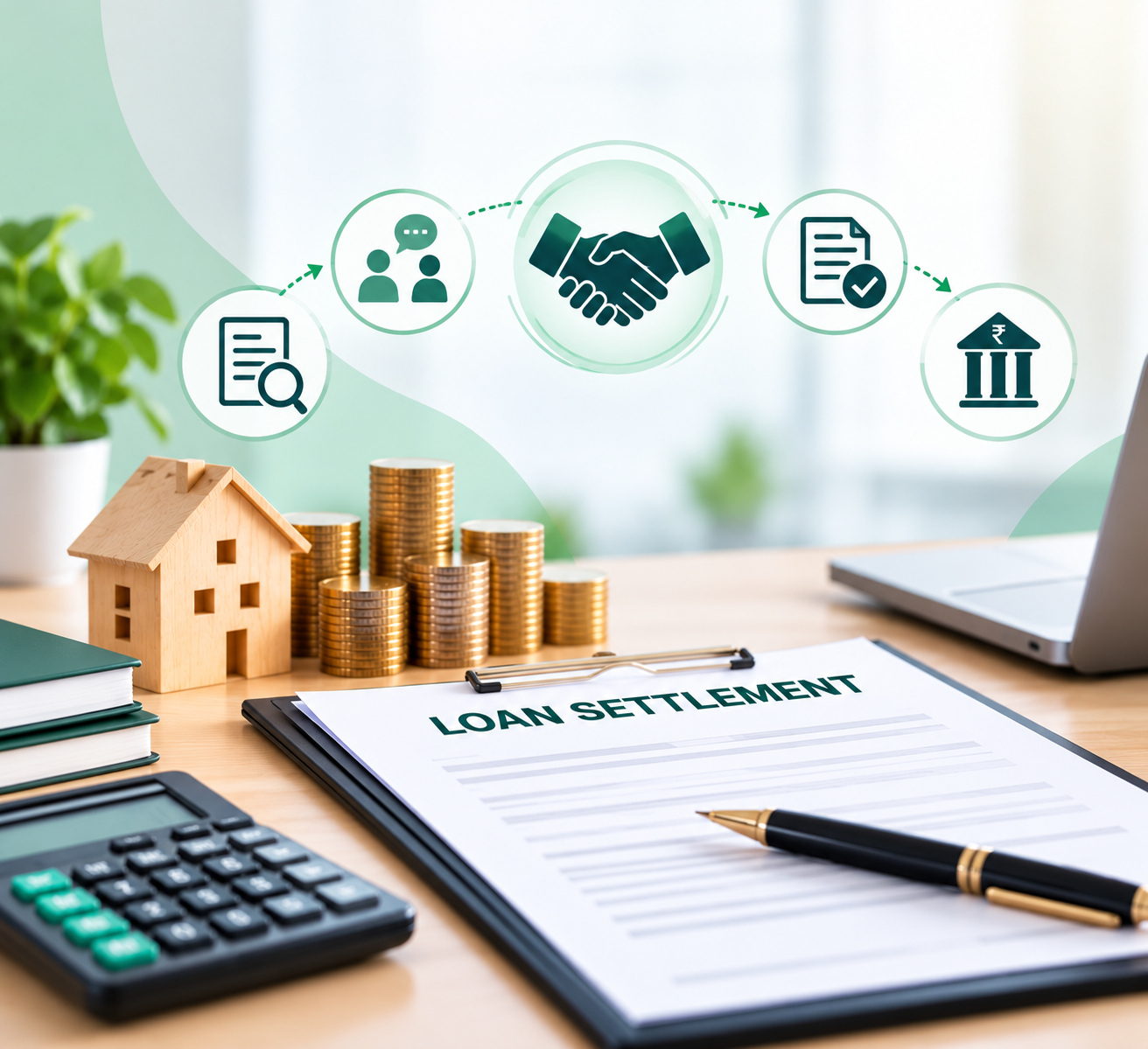
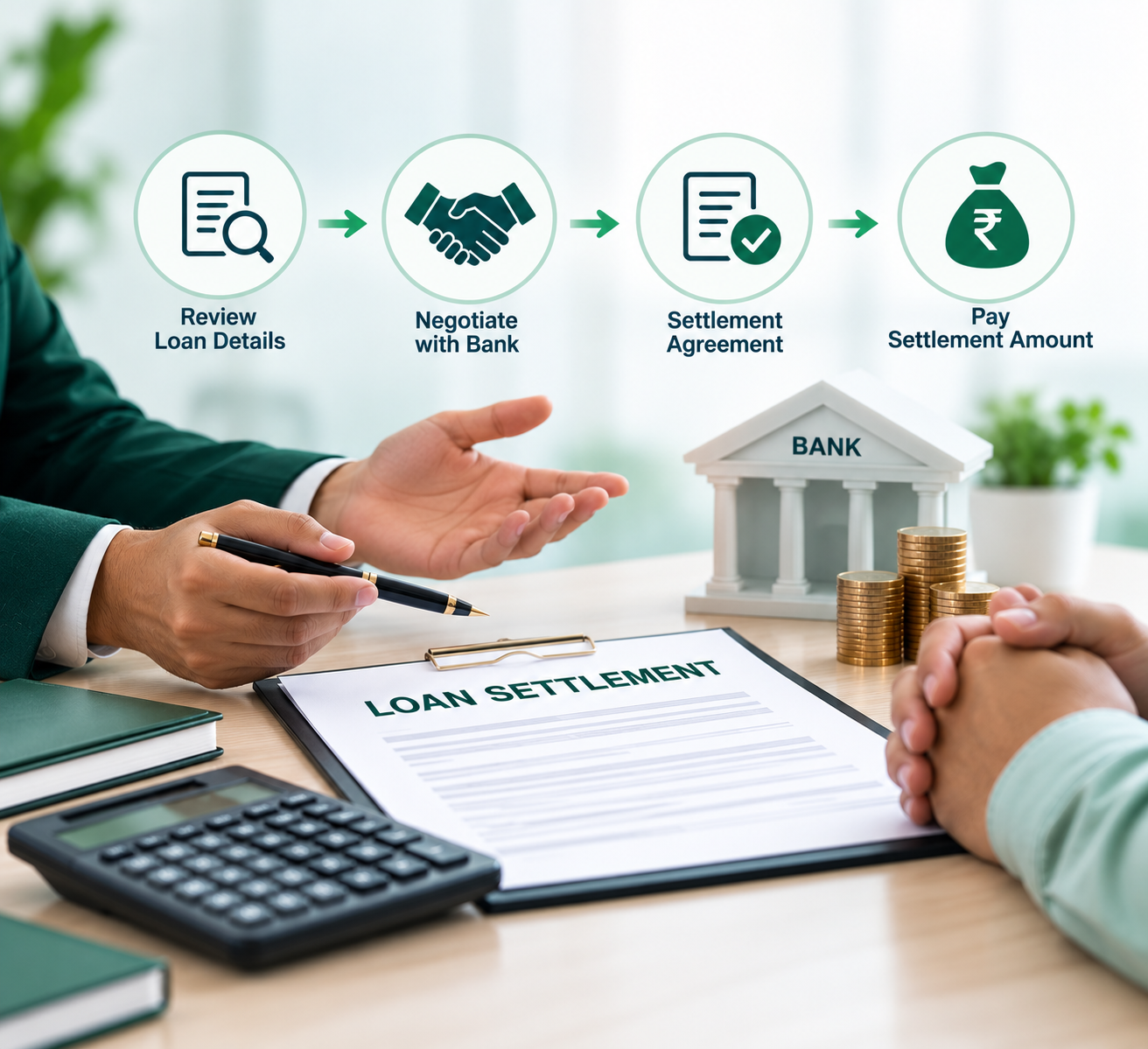
In certain financial hardship situations, a borrower may discuss a compromise settlement with the lender.
Loan settlement is a negotiated arrangement in which the lender may agree to accept an amount different from the full contractual outstanding amount, subject to its internal policies and approval.
However, settlement is not an automatic right of the borrower.
The lender evaluates the individual case and decides whether to consider a settlement proposal.
When Might a Borrower Explore Settlement?
A borrower may consider discussing settlement when:
- Income has reduced significantly.
- Employment has been lost.
- Medical expenses have created financial hardship.
- Multiple loan repayments have become unmanageable.
- The borrower cannot realistically repay the full outstanding amount under the existing arrangement.
These circumstances do not guarantee approval.
Does Loan Settlement Affect CIBIL?
Yes. A compromise settlement may be reported as "Settled" rather than "Closed" or "Paid in Full", depending on the lender's reporting and applicable credit-information requirements.
A settled status may be viewed negatively by future lenders.
Before accepting a settlement offer, understand:
- The agreed settlement amount
- The payment deadline
- Whether instalments are permitted
- The consequences of missing the agreed payment
- How the account will be reported to credit bureaus
- Whether a written settlement confirmation will be provided
Never rely only on verbal assurances. Obtain the lender's written settlement terms and retain payment receipts.
7. What Are Your Options Before Considering Loan Settlement?
Settlement is not necessarily the best solution for every borrower.
Depending on your financial position, consider the following alternatives.
A. Regular Repayment
If your income is sufficient to manage the outstanding amount, continuing regular repayments may be preferable.
Paying on time can help maintain a healthier credit history.
B. Loan Restructuring
You may ask your lender whether it offers a suitable restructuring or revised repayment arrangement.
A longer tenure may reduce the monthly EMI in some cases, but it can increase the total interest paid.
C. Debt Consolidation
If you have several loans, you may evaluate whether combining eligible debts into a single loan would make repayment easier.
However, compare the new interest rate, fees, tenure and total repayment cost before proceeding.
D. Negotiated Settlement
If you are experiencing genuine financial hardship and cannot repay the full amount, you may discuss a possible settlement with the lender.
Approval, terms and reporting depend on the lender.
8. What If You Borrowed Through an Instant Loan App?
Digital lending has made borrowing easier, but borrowers should understand which bank or NBFC is actually providing the loan.
An app may operate as a Lending Service Provider (LSP) for a regulated lender. The lender and the app may have different responsibilities.
Before accepting or repaying a digital loan, check:
- The name of the bank or NBFC providing the loan.
- The Key Fact Statement (KFS).
- The APR and complete repayment cost.
- The loan agreement and repayment schedule.
- The lender's official grievance redressal contact.
- The official repayment channel.
The Reserve Bank of India's Digital Lending Directions, 2025 set out requirements covering lender–LSP arrangements, borrower creditworthiness, disclosures, servicing, grievance redressal, data practices and reporting to credit information companies.
Borrowers should avoid making payments to unverified personal accounts or UPI IDs. Use the official payment channels identified by the regulated lender.
9. What Are Your Rights If Recovery Agents Contact You?
Missing an EMI does not mean that a borrower loses the right to respectful treatment.
The RBI has issued instructions requiring regulated entities and their recovery agents not to engage in intimidation or harassment.
The instructions cover conduct such as:
- Threatening or anonymous calls
- Public humiliation
- Inappropriate messages
- Intrusion into the privacy of family members or friends
- Persistent calling
- Recovery calls before 8 a.m. or after 7 p.m.
- False or misleading representations
If you experience inappropriate recovery conduct:
- Keep call logs, messages and other relevant evidence.
- Record the lender and recovery agency details where available.
- Raise a written complaint with the lender's grievance redressal officer.
- Keep the complaint reference number.
- If the issue remains unresolved, consider the applicable RBI complaint-redressal route.
These protections do not cancel the underlying repayment obligation. Borrowers should continue to communicate with the lender about their outstanding loan.
10. How ReducedDebts Can Help Borrowers Facing Loan Repayment Difficulties
Managing multiple personal loans can become stressful, particularly when income is insufficient to cover monthly repayments.
ReducedDebts helps borrowers understand their debt situation and explore relevant debt-resolution options.
Depending on the individual case, the guidance process may include:
- Reviewing outstanding loans and repayment obligations
- Understanding personal loan and credit-card debt
- Assessing repayment difficulties
- Exploring available debt-management options
- Understanding the loan settlement process
- Reviewing potential credit-report implications
Every borrower's financial situation is different. Any loan settlement or repayment arrangement remains subject to the respective lender's policies and approval.
ReducedDebts is not a lender or a law firm and does not guarantee loan settlement, debt reduction or improvement in credit scores.
Conclusion: Take Action Before Small Loans Become a Bigger Debt Problem
Small personal loans can provide short-term financial support, but repayment difficulties can develop when borrowers take multiple loans or experience unexpected changes in income.
If you are unable to repay a small personal loan, do not ignore lender communication or take another expensive loan without understanding the consequences.
Start by reviewing your total outstanding debt, calculating your repayment capacity and contacting the lender to understand possible options.
If multiple EMIs, personal loans or digital loan repayments have become difficult to manage, professional debt-resolution guidance may help you understand the available routes.
ReducedDebts helps borrowers understand personal loan settlement and debt-resolution options in India.
Call to Action: Facing difficulty managing your personal loan EMIs? Connect with ReducedDebts to understand your debt situation and explore possible options.
Disclaimer: This article is for general educational purposes and does not constitute financial or legal advice. Loan settlement is subject to lender approval and may negatively affect your credit