
What Is Personal Loan Debt Settlement?
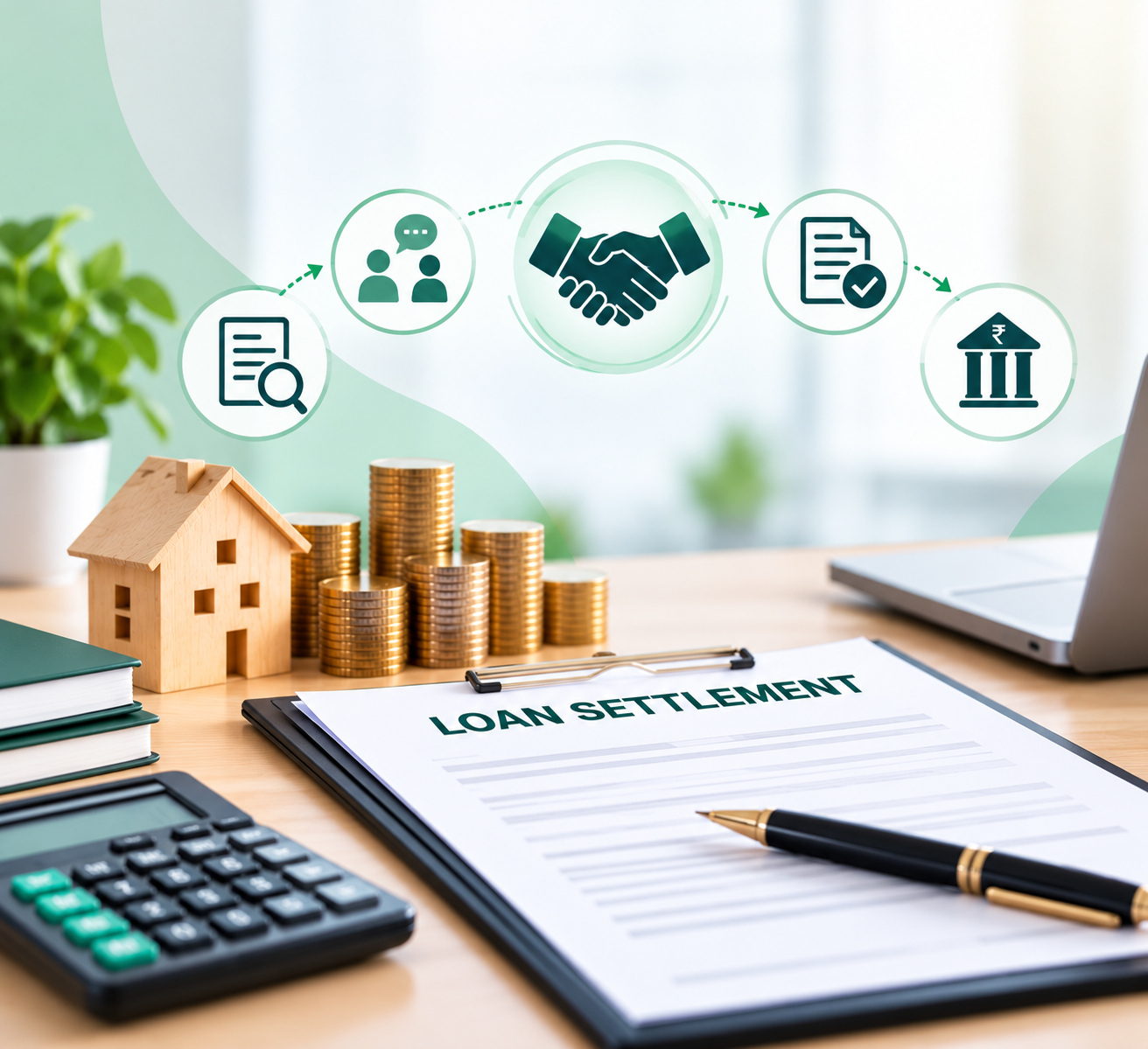
Personal loan debt settlement is a negotiated arrangement between a borrower and a lender to resolve an outstanding personal loan under mutually agreed conditions.
Depending on the borrower's circumstances and the lender's assessment, the lender may consider accepting a negotiated amount to resolve the outstanding dues.
This arrangement is commonly known as a compromise settlement.
It is important to understand that personal loan settlement is not guaranteed. The bank or NBFC decides whether to accept a settlement proposal based on its internal policies and commercial assessment.
Why Do Borrowers Consider Personal Loan Settlement?
Borrowers may explore settlement when they are facing genuine financial difficulties that affect their ability to maintain regular EMI payments.
Some common circumstances include:
1. Job loss or salary reduction
A sudden change in employment or monthly income can make existing loan repayments difficult.
2. Medical emergencies
Unexpected medical expenses can reduce the amount available for monthly loan obligations.
3. Business or income disruption
Self-employed individuals and business owners may experience irregular income, making fixed EMIs difficult to manage.
4. Multiple loan obligations
Borrowers managing several personal loans, credit cards and other financial commitments may struggle with their combined repayment obligations.
5. Long-term repayment difficulties
When repayment problems continue for an extended period, it may become necessary to discuss alternative resolution options with the lender.
Personal Loan Debt Settlement Process
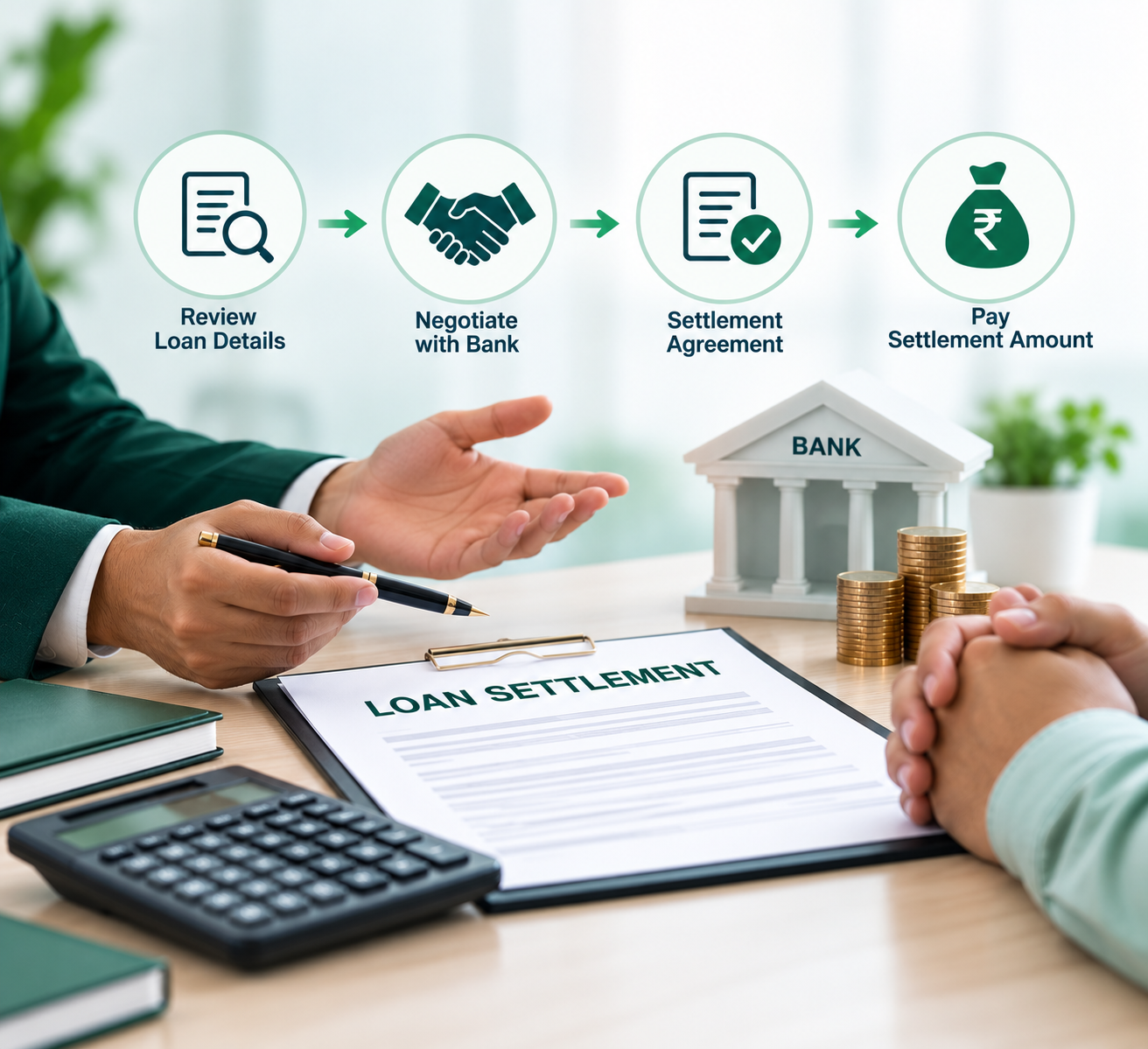
The process generally involves the following steps.
Step 1: Understand your outstanding loan
Collect your latest loan statement and review:
- Original loan amount.
- Remaining principal.
- Outstanding balance.
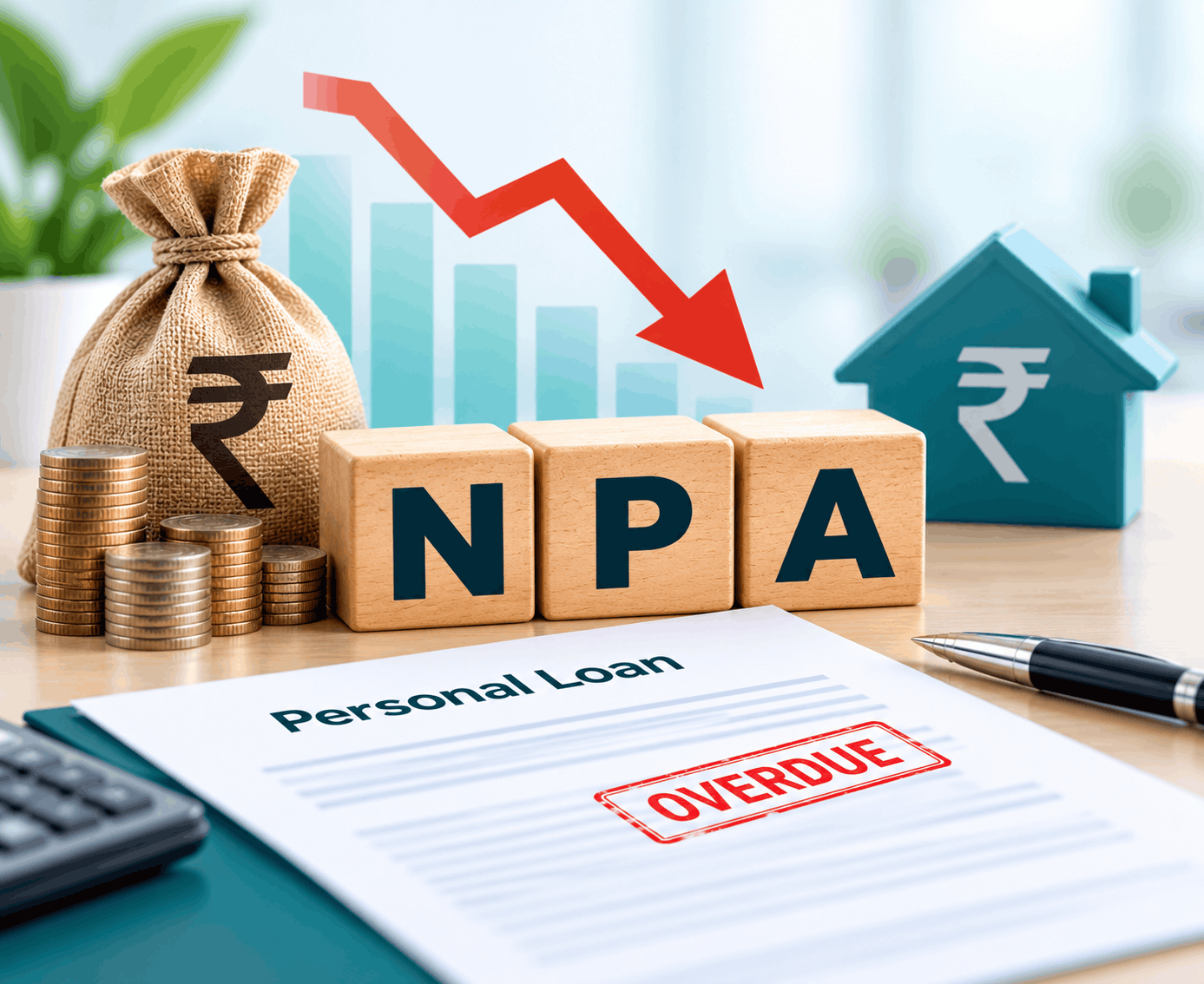
- Overdue EMIs.
- Applicable interest and charges.
- Loan account status.
This helps establish a clear picture of your current obligations.
Step 2: Assess your financial situation
Prepare a realistic monthly budget.
Include your income, household expenses, existing liabilities, medical expenses and other essential commitments.
This information helps you understand what repayment arrangements may be affordable.
Step 3: Explore alternatives to settlement
Before requesting settlement, consider whether other arrangements may be suitable.
Depending on lender policies and eligibility, alternatives may include:
- Revised repayment schedules.
- Loan restructuring.
- Repayment plans.
- Other arrangements offered by the lender.
A settlement proposal should be considered only after understanding the available options and their consequences.
Step 4: Discuss your financial hardship with the lender
Contact the bank or NBFC and explain the circumstances affecting your repayment capacity.
You may be asked to provide supporting documents such as income statements, bank statements, employment details or medical records, depending on your situation.
Step 5: Submit a settlement proposal
If settlement is an appropriate option, a proposal can be submitted for the lender's consideration.
The lender may evaluate your financial condition, account history and other relevant information before deciding.
Step 6: Obtain written settlement approval
Never rely only on verbal promises.
Before making payment, obtain written confirmation covering:
- Approved settlement amount.
- Payment deadline.
- Payment instructions.
- Conditions of the agreement.
- Treatment of the remaining outstanding balance.
- Expected account status after completion.
Step 7: Complete the agreed payment
Make the payment through a verified channel authorised by the lender.
Keep payment receipts, bank transaction records and all related communication.
Step 8: Verify the final loan account status
After completing the settlement, request written confirmation from the lender.
Review your credit report later to check whether the account status has been updated correctly.
Can I Settle My Personal Loan for Less Than the Outstanding Amount?
A bank or NBFC may consider accepting a negotiated amount as part of a compromise settlement.
However, the amount is not fixed and varies according to the lender's assessment and applicable policies.
There is no universal settlement percentage applicable to all personal loans.
Be cautious of companies or individuals who guarantee a specific reduction without examining your financial circumstances and the lender's requirements.
Does Personal Loan Settlement Affect Your CIBIL Score?
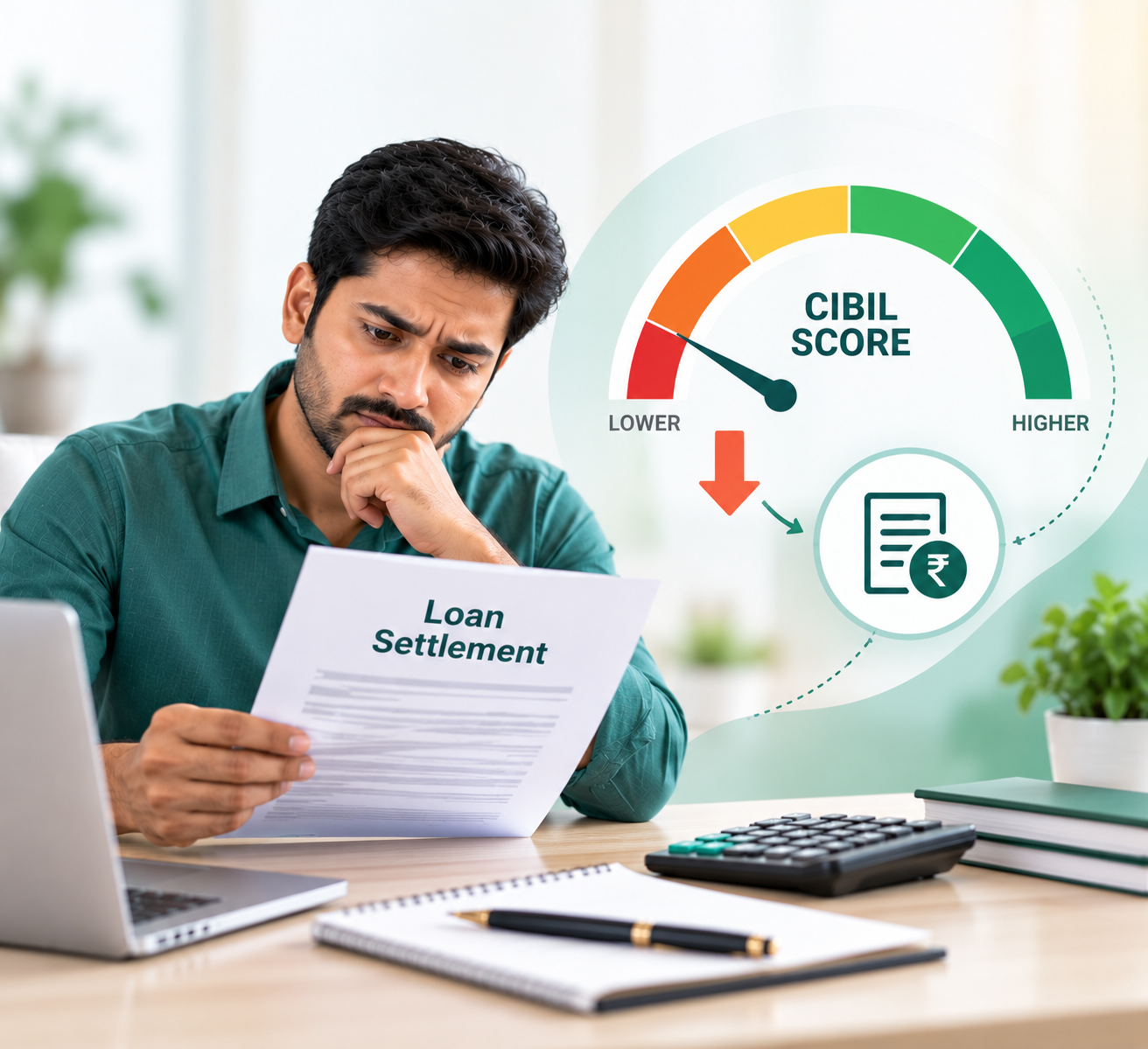
Yes. Personal loan settlement can negatively affect your credit history.
When a lender accepts less than the full contractual amount, the account may be reported as "settled" instead of "closed".
This distinction is important:
- Settled: The lender has accepted an agreed amount to resolve the account.
- Closed: The loan has been fully repaid according to the lender's records.
A settled account can create difficulties when applying for future credit because lenders may consider it an indication of past repayment difficulty.
The actual impact depends on your overall credit history and the information reported by the lender.
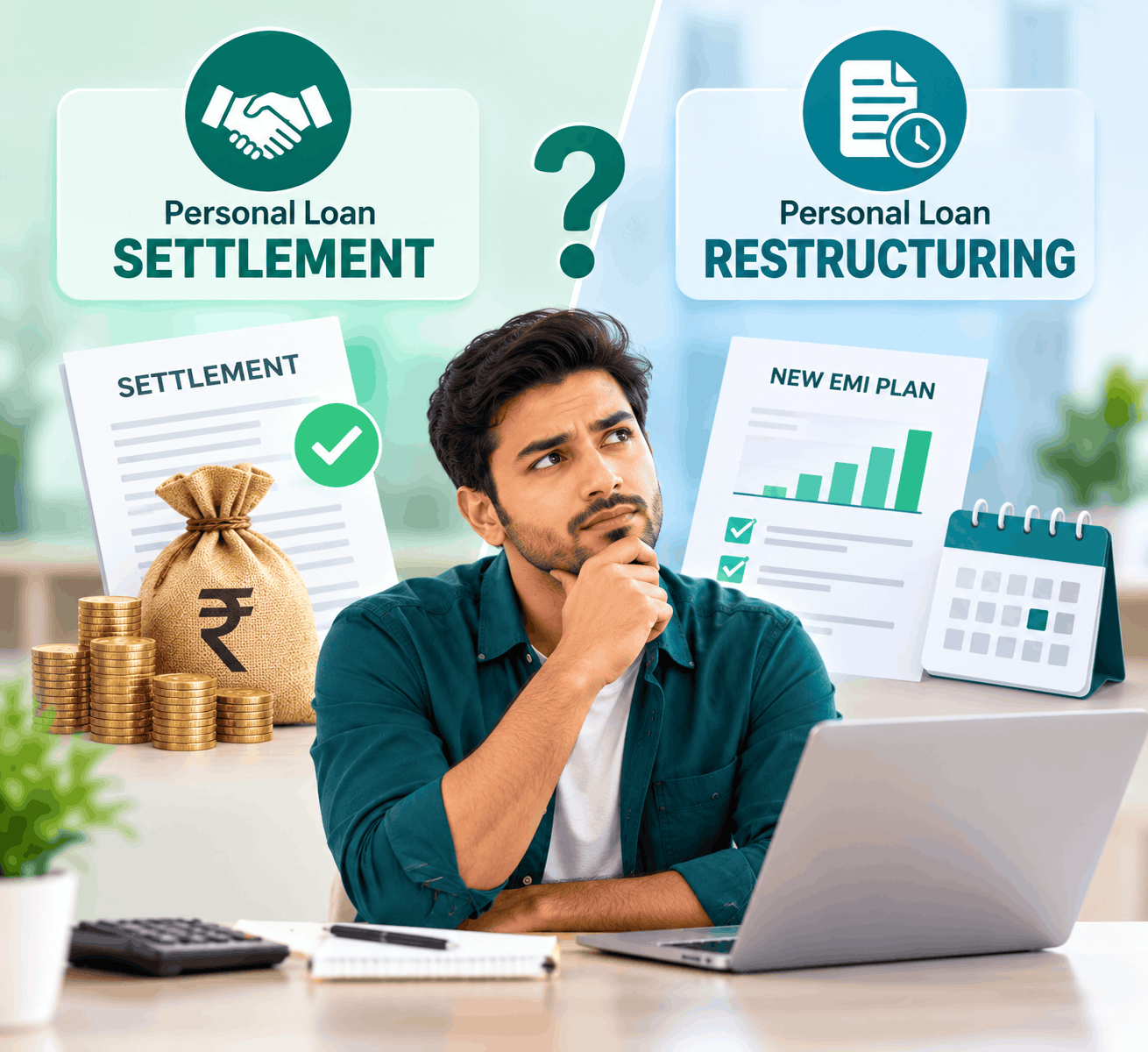
Personal Loan Settlement vs Loan Restructuring
These options serve different purposes.
|
Personal loan settlement |
Personal loan restructuring |
|
Negotiated arrangement to resolve outstanding dues |
Modification of existing repayment terms |
|
May involve an agreed amount different from total dues |
May involve revised EMIs or repayment tenure |
|
Can negatively affect credit history |
Credit impact depends on the arrangement and reporting |
|
Requires lender approval |
Requires lender approval |
A borrower should compare both options before deciding.
What Documents May Be Required for Personal Loan Settlement?
The documents depend on the lender and the borrower's circumstances.
Commonly requested documents may include:
- Identity and address proof.
- Personal loan account details.
- Latest loan statement.
- Bank statements.
- Salary slips or income proof.
- Employment or business information.
- Supporting documents explaining financial hardship.
Submit sensitive documents only through verified lender or authorised service-provider channels.
How to Choose a Personal Loan Settlement Consultant
If you are seeking professional guidance, check the service provider carefully.
A responsible consultant should:
- Explain the settlement process clearly.
- Review your financial situation before discussing options.
- Disclose service charges and terms.
- Explain the possible impact on your credit history.
- Avoid promising guaranteed settlement approval.
- Encourage written lender confirmation.
- Never ask for OTPs, passwords or banking credentials.
Remember that the lender retains the authority to approve or reject a settlement proposal.
How ReducedDebts Can Assist You
ReducedDebts helps borrowers understand their loan-related financial difficulties and explore possible debt resolution options.
If you are unable to manage your personal loan EMIs, the first step is to understand your outstanding balance, repayment capacity and available options.
Our services include:
- Personal Loan Settlement.
- Loan Settlement.
- Credit Card Settlement.
- Debt Solutions.
Contact ReducedDebts to discuss your financial circumstances and understand the possible next steps.