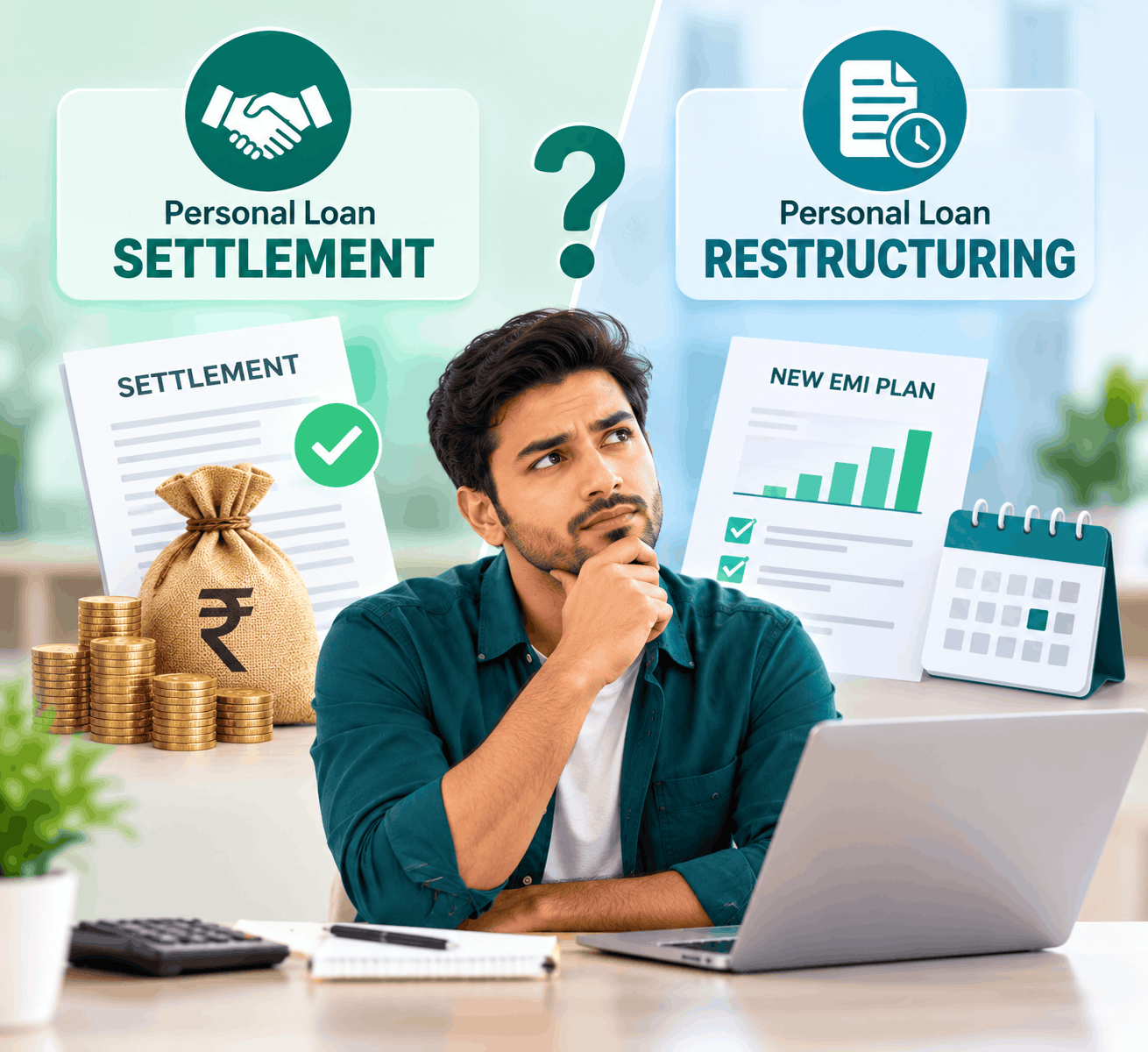

What Is Debt Settlement?
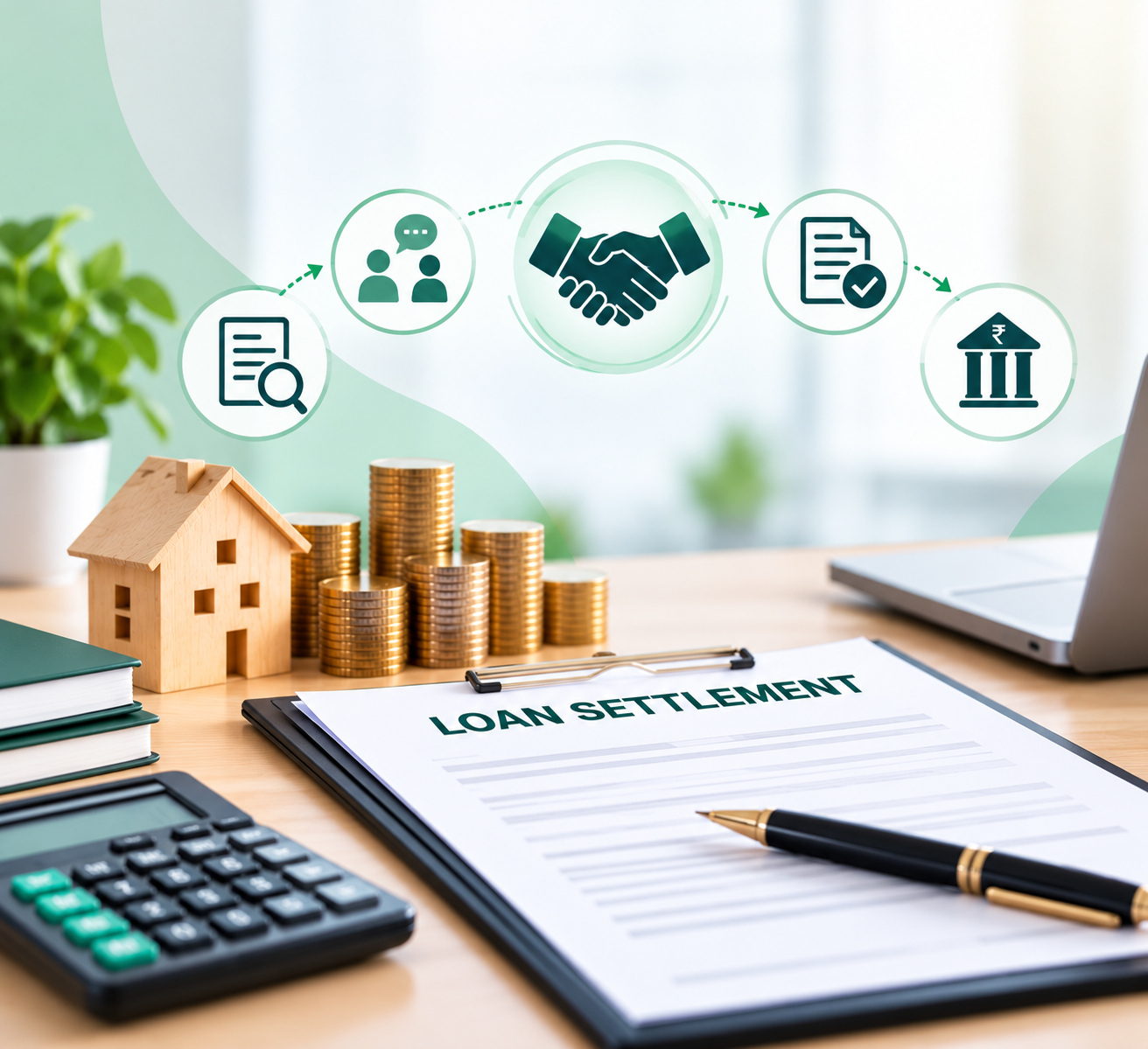
Debt settlement is a negotiated arrangement between a borrower and a lender to resolve an outstanding debt. Depending on the lender's assessment and applicable policies, the lender may agree to accept an amount different from the total outstanding amount to close the account under the agreed settlement terms.
This option may be considered when a borrower is experiencing genuine financial hardship and cannot reasonably meet the original repayment obligations.
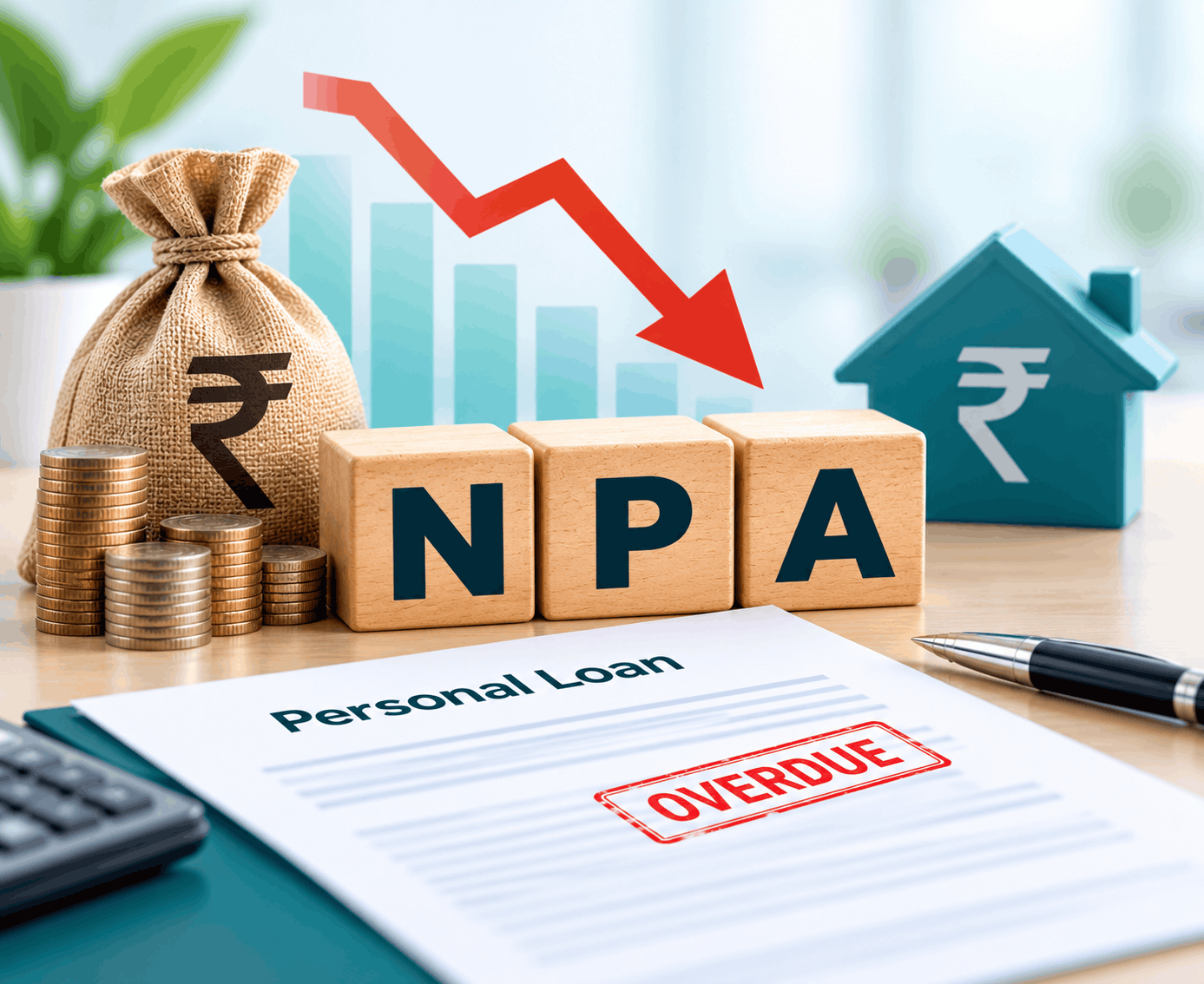
Debt settlement may relate to eligible unsecured debts such as:
- Personal loans
- Credit card outstanding balances
- Other eligible unsecured credit facilities
The availability of settlement depends on the lender, the account circumstances and its internal approval process.
Is Debt Settlement Legal in India?
Yes. Compromise settlements are recognised within the Reserve Bank of India's regulatory framework for regulated lending institutions.
The RBI issued its Framework for Compromise Settlements and Technical Write-offs on 8 June 2023. The framework recognises compromise settlements as a valid resolution mechanism for stressed accounts. RBI's subsequent directions also address how regulated entities should handle such settlements.
However, there is an important distinction: borrowers do not have an automatic legal right to demand a settlement. The lender exercises its discretion based on its commercial judgement and applicable board-approved policies.
A settlement must be properly approved and documented. Borrowers should obtain written confirmation of the agreed amount, payment deadline and consequences of completing the settlement.
When Should You Consider Debt Settlement?
Debt settlement may be worth exploring when a borrower is experiencing circumstances such as:
1. Loss of income or employment
A sudden loss of employment or reduction in income can make existing EMIs difficult to manage.
2. Medical or family emergencies
Unexpected medical expenses or major family responsibilities can disrupt a borrower's repayment capacity.
3. Multiple outstanding loans
Managing several loan EMIs and credit card payments at the same time can create significant financial pressure.
4. Long-standing repayment difficulties
When a borrower has been unable to maintain regular repayments, discussing available resolution options with the lender may become necessary.
Every case is different. Before considering settlement, borrowers should also evaluate restructuring, revised repayment arrangements and other available options.
How Does the Debt Settlement Process Work?
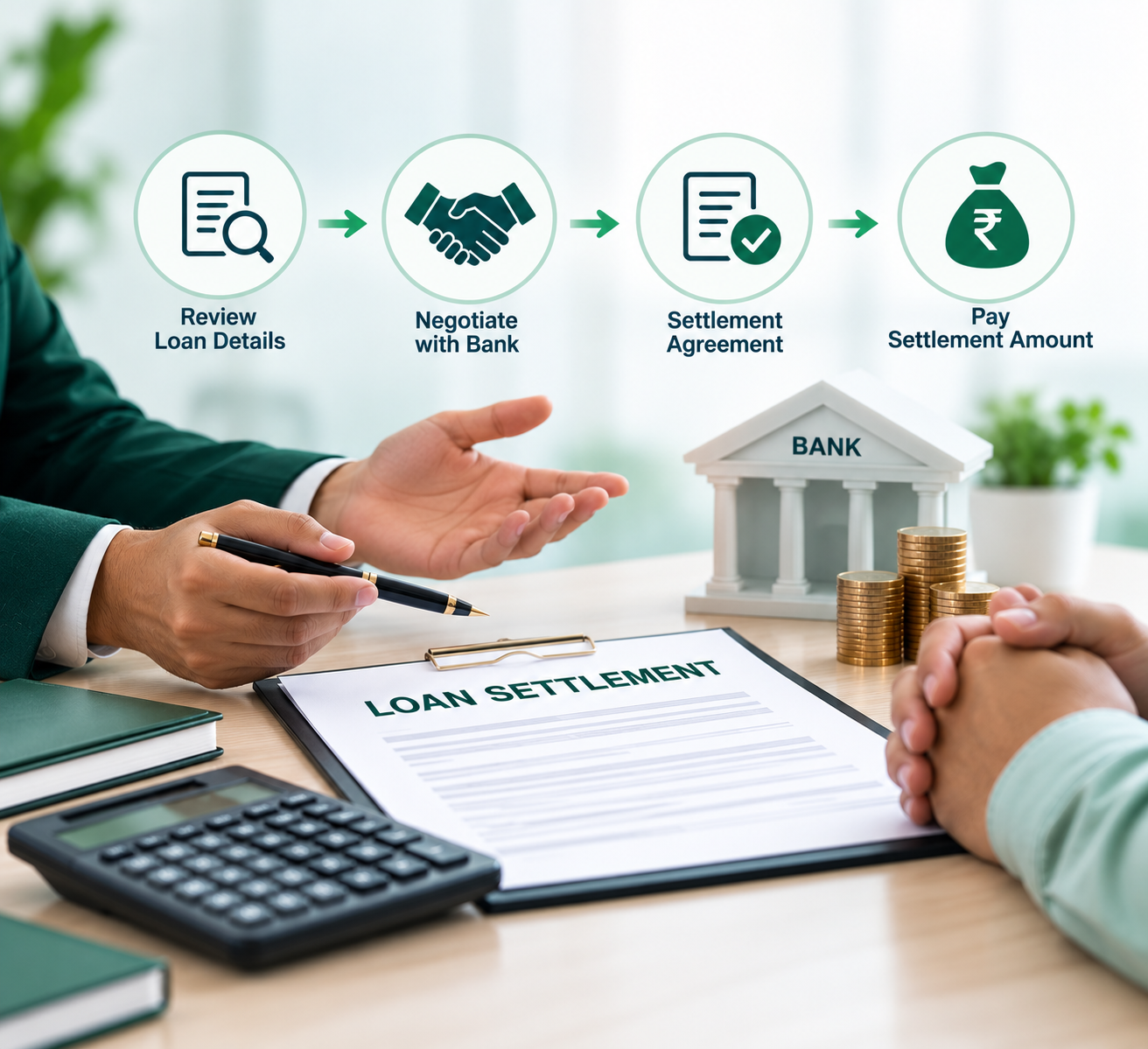
The process generally involves the following stages:
Step 1: Review your outstanding debts
Prepare a list of your loans, credit cards, outstanding balances, overdue amounts and lender details.
Step 2: Assess your financial situation
Review your monthly income, essential expenses, savings and realistic repayment capacity.
Step 3: Understand available resolution options
Consider whether repayment restructuring, a repayment plan or compromise settlement is appropriate.
Step 4: Discuss the proposal with the lender
Any settlement proposal must be considered and approved by the lender. A third-party consultant cannot independently approve or guarantee a settlement.
Step 5: Obtain written settlement terms
Before making payment, check the settlement amount, payment schedule, validity period and account closure or reporting conditions.
Step 6: Complete the agreed payment
Make payment only through verified lender-authorised channels and retain the receipts and confirmation.
Step 7: Obtain final documentation
Request written confirmation of payment and the lender's final account status. Review your credit report later to ensure the account information is updated accurately.
What Are the Benefits of Debt Settlement?
Debt settlement may provide a possible resolution route for borrowers who are facing serious repayment difficulties.
Potential benefits include:
- An opportunity to negotiate with a lender.
- A possible reduction in the amount payable, if approved.
- A documented resolution of an outstanding account after fulfilling the agreement.
- A structured way to address eligible outstanding debts.
- Greater clarity about repayment obligations after settlement.
These benefits depend on the lender's approval and the terms of the agreement. No particular discount or outcome is guaranteed.
What Are the Risks of Debt Settlement?
Debt settlement should not be considered a risk-free financial solution.
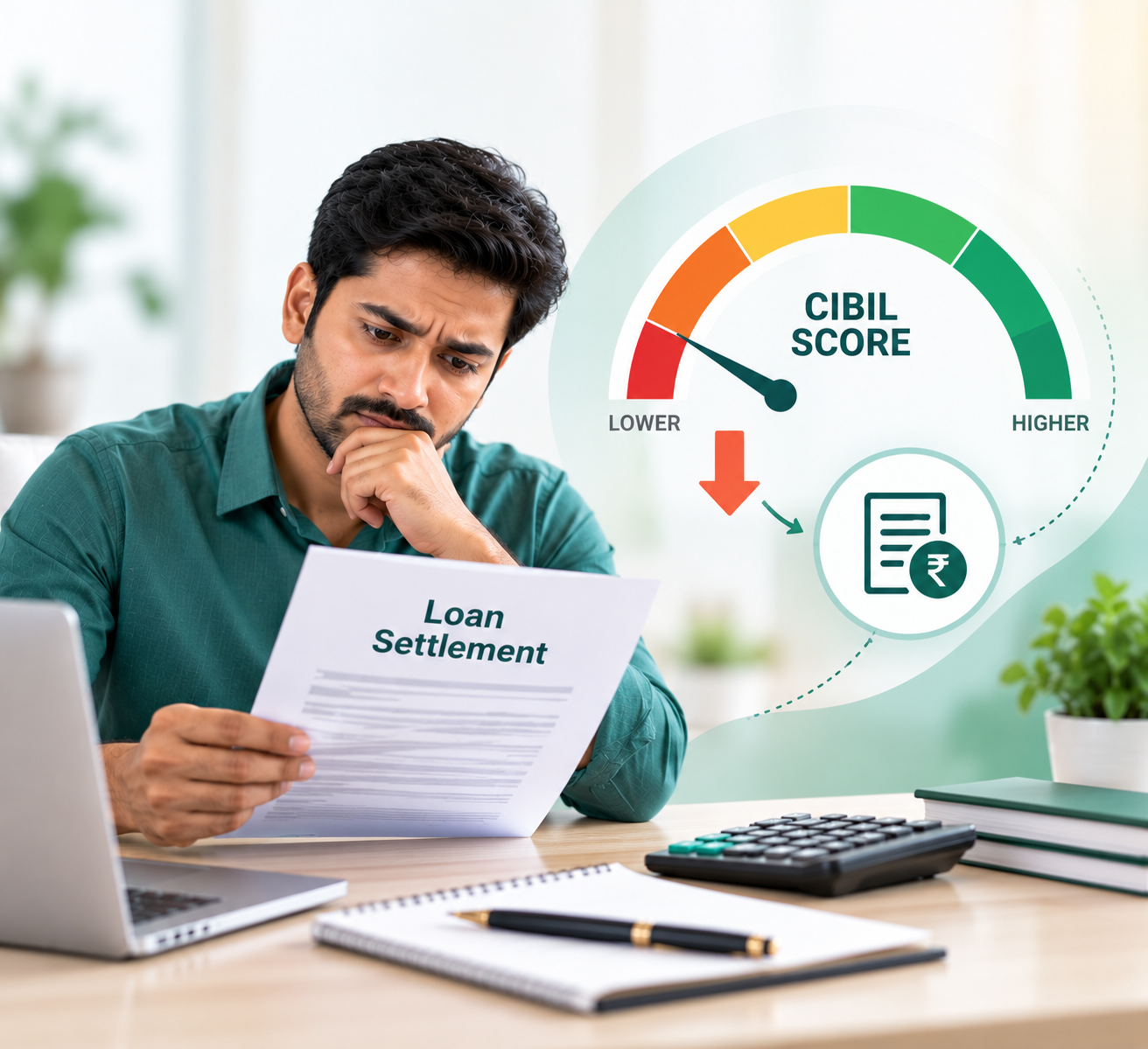
Impact on your credit score
An account reported as "settled" may negatively affect your credit history and future access to credit compared with an account reported as fully paid and closed.
Future borrowing difficulties
Banks and financial institutions may consider settlement history when evaluating future credit applications.
Lender rejection
A lender may reject a settlement proposal and continue recovery actions in accordance with applicable law and the loan agreement.
Payment and documentation risks
Paying without a valid written settlement agreement or through an unauthorised channel can create further problems.
What Do Debt Settlement Companies Do?
Debt settlement companies or consultants may assist borrowers in understanding their financial position, organising debt information, evaluating possible resolution options and communicating with lenders where authorised.
Before choosing a debt settlement company, check:
- Whether its services and fees are clearly explained.
- Whether it provides written terms and transparent communication.
- Whether it avoids promising guaranteed settlement amounts.
- Whether it explains the credit-reporting implications.
- Whether it asks you to make payments only through verified lender-authorised channels.
- Whether it clearly distinguishes its role from the lender's approval authority.
A consultant cannot guarantee that a bank or NBFC will accept a proposal.
Debt Settlement vs Debt Consolidation
Debt settlement and debt consolidation are different approaches.
|
Debt settlement |
Debt consolidation |
|
Negotiation with a lender to resolve an outstanding debt |
Combining multiple debts into one new credit facility |
|
May involve a negotiated payment amount |
Usually involves repayment of the new consolidated loan |
|
Can affect credit history negatively |
New loan eligibility and repayment terms apply |
|
Requires lender approval |
Requires approval for the new credit facility |
The appropriate option depends on your financial position, eligibility and ability to repay.
How Can ReducedDebts Help?
ReducedDebts helps borrowers understand their outstanding debt situation and explore possible debt resolution options.
If you are struggling with multiple loans or credit card dues, the first step is to review your financial circumstances and understand what options may be available.
Our approach focuses on understanding the borrower's situation, explaining the process and helping them make informed decisions.
Explore our services:
- Loan Settlement
- Personal Loan Settlement
- Credit Card Settlement
- Debt Solutions
Contact ReducedDebts to discuss your debt-related concerns and understand the possible next steps.