1. How Does Buy Now Pay Later Work?
A BNPL arrangement generally allows a customer to receive goods or services before paying the full amount.
Common payment structures include:
- Pay the entire amount on a later date.
- Split the purchase into instalments.
- Use a short-term credit facility.
- Pay through a lender-backed digital credit arrangement.
The exact arrangement depends on the provider and lending partner.
Before accepting a BNPL offer, check whether you are entering into a credit agreement with a bank or NBFC and identify the actual lender.
2. Why Are BNPL Services Becoming a Financial Risk for Some Borrowers?
The problem is not necessarily the payment method itself. The risk comes from using deferred payments without tracking the total debt.
A. Small Purchases Accumulate
A ₹1,000 purchase may seem insignificant. But ten similar transactions create ₹10,000 in future payment obligations.
B. Multiple Apps Create Multiple Due Dates
Different providers may have different billing cycles, payment dates and late-payment terms.
C. Customers Underestimate Total Borrowing
A customer may focus on the instalment amount rather than the complete amount owed across all platforms.
D. New Purchases Replace Repayment
Some customers continue making purchases through pay-later services while previous instalments remain unpaid.
E. Unexpected Expenses Disrupt Repayment
Medical bills, salary delays or job loss may make scheduled BNPL payments difficult.
3. Example: How Multiple BNPL Purchases Can Become a Debt Problem
Consider this illustrative example:
|
Purchase |
Amount |
|
Smartphone accessory |
₹2,000 |
|
Clothing |
₹3,000 |
|
Household products |
₹2,500 |
|
Online shopping |
₹2,000 |
|
Food and other purchases |
₹1,500 |
|
Total |
₹11,000 |
Each purchase may appear manageable, but the borrower now has ₹11,000 in future payment commitments.
If the borrower also has personal loan EMIs and credit-card bills, the combined financial burden may become difficult to manage.
This is why customers should calculate total outstanding BNPL obligations rather than looking at individual transactions.
4. What Happens If You Cannot Repay a BNPL Bill?
The consequences depend on the actual credit arrangement and provider's terms.
Possible consequences include:
A. Late-Payment Charges
The provider or lender may apply charges as specified in the agreement and applicable regulations.
B. Payment Reminders
You may receive notifications, emails, calls or other reminders regarding the overdue amount.
C. Credit-Report Impact
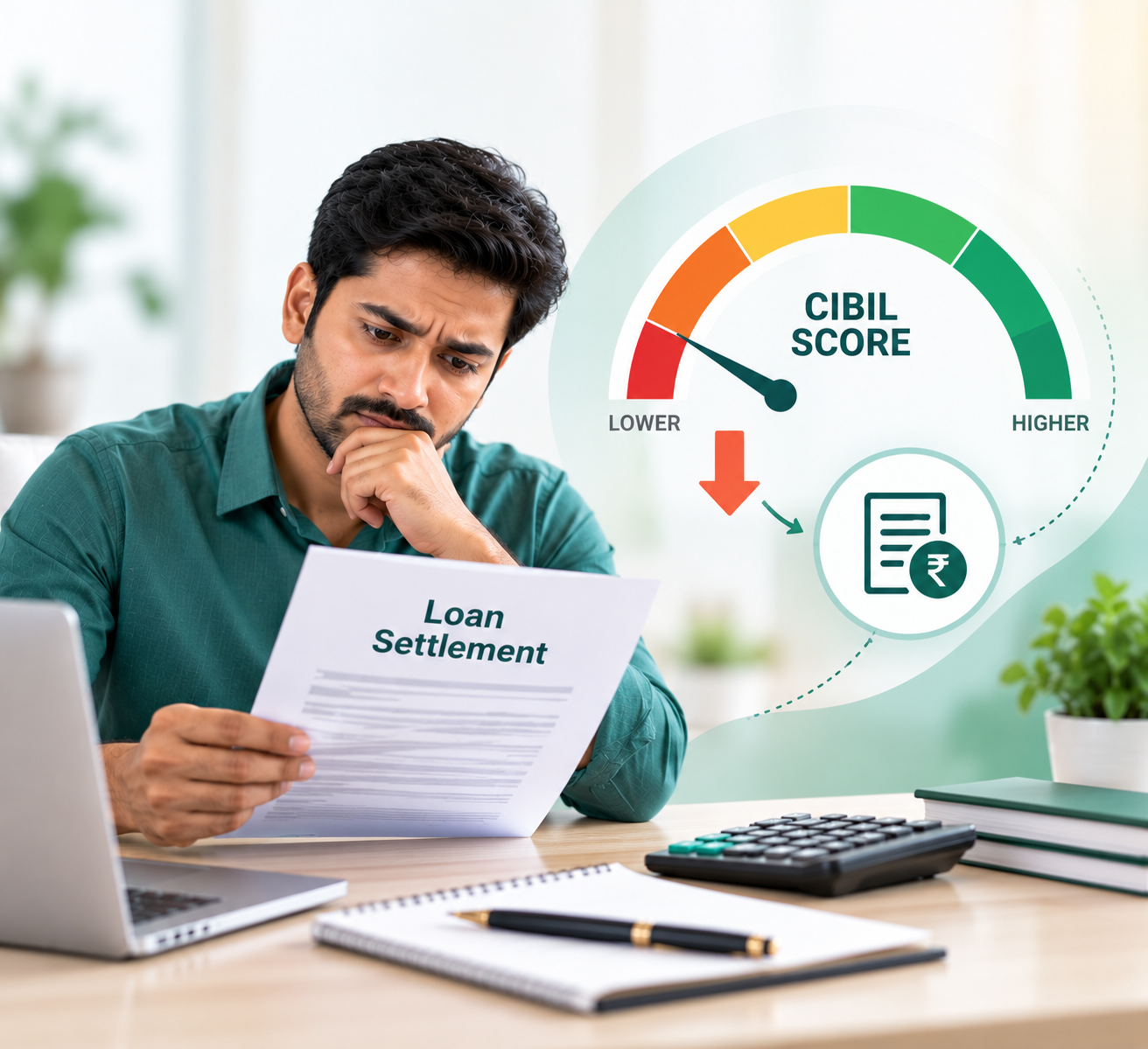
If the BNPL facility is a credit product reported by a regulated lender, missed payments may affect your credit history.
RBI's Digital Lending Directions, 2025 require regulated entities to report lending done through their digital lending apps and lending service providers to credit information companies, irrespective of the nature or tenor of the lending.
The directions also cover certain structured deferred-payment credit products offered through merchant platforms.
This does not mean every pay-later transaction is reported in exactly the same way. Check the lender and product agreement.
D. Recovery Communication
The lender may contact you about the overdue amount through permitted channels.
E. Future Credit Difficulties
A negative repayment history may influence how future lenders assess your creditworthiness.
5. Does BNPL Affect Your CIBIL Score?
It can, depending on how the product is structured and whether the underlying lender reports the credit facility.
Before accepting a BNPL offer, ask:
- Is this a credit facility?
- Which bank or NBFC is the lender?
- Will the account be reported to credit bureaus?
- What happens if an instalment is missed?
- What charges apply to overdue payments?
If the facility is reported as a credit account, delayed repayment may negatively affect your credit profile.
Review your credit report periodically and dispute any inaccurate information through the lender and relevant credit information company.
6. RBI Digital Lending Rules: What Should BNPL Users Know?
The RBI Digital Lending Directions, 2025 cover regulated entities such as banks and NBFCs and their arrangements with Lending Service Providers.
Important borrower protections include:
- Assessment of borrower creditworthiness.
- Disclosure of important loan terms.
- Provision of a Key Fact Statement where applicable.
- Disclosure of the lender and relevant lending-service arrangements.
- Repayment directly to the regulated entity's bank account, subject to permitted exceptions.
- Grievance-redressal arrangements.
- Rules governing the collection and use of borrower data.
- Reporting of covered digital lending and deferred-payment credit products to credit information companies.
The RBI also provides for reporting of Digital Lending Apps by regulated entities through its prescribed process.
Borrowers should remember that an app's presence in a lender's list or directory should not be misunderstood as an RBI guarantee of every claim made by the app.
Read the official RBI directions before accepting unfamiliar digital-credit offers.
7. Seven Ways to Avoid the BNPL Debt Trap
1. Track Every Pay-Later Purchase
Maintain a list of all BNPL transactions, providers and repayment dates.
2. Avoid Multiple Simultaneous Facilities
Do not activate several pay-later accounts simply because approval is available.
3. Check the Complete Cost
Review interest, fees, late charges and other terms.
4. Do Not Borrow for Everyday Spending Without a Repayment Plan
If regular household expenses are being funded through BNPL repeatedly, review your monthly budget.
5. Set Payment Reminders
Track due dates and maintain sufficient funds for scheduled payments.
6. Stop Fresh Borrowing When Repayments Become Difficult
Avoid taking another pay-later facility to clear an earlier one.
7. Review Your Credit Report
Check whether your digital credit accounts are being reported accurately.
8. What If You Have Already Accumulated Multiple BNPL Dues?
If you have several unpaid pay-later obligations, take a structured approach.
Step 1: List all providers and actual lenders.
Step 2: Record the outstanding amount, due date and applicable charges for each facility.
Step 3: Calculate your monthly income and essential expenses.
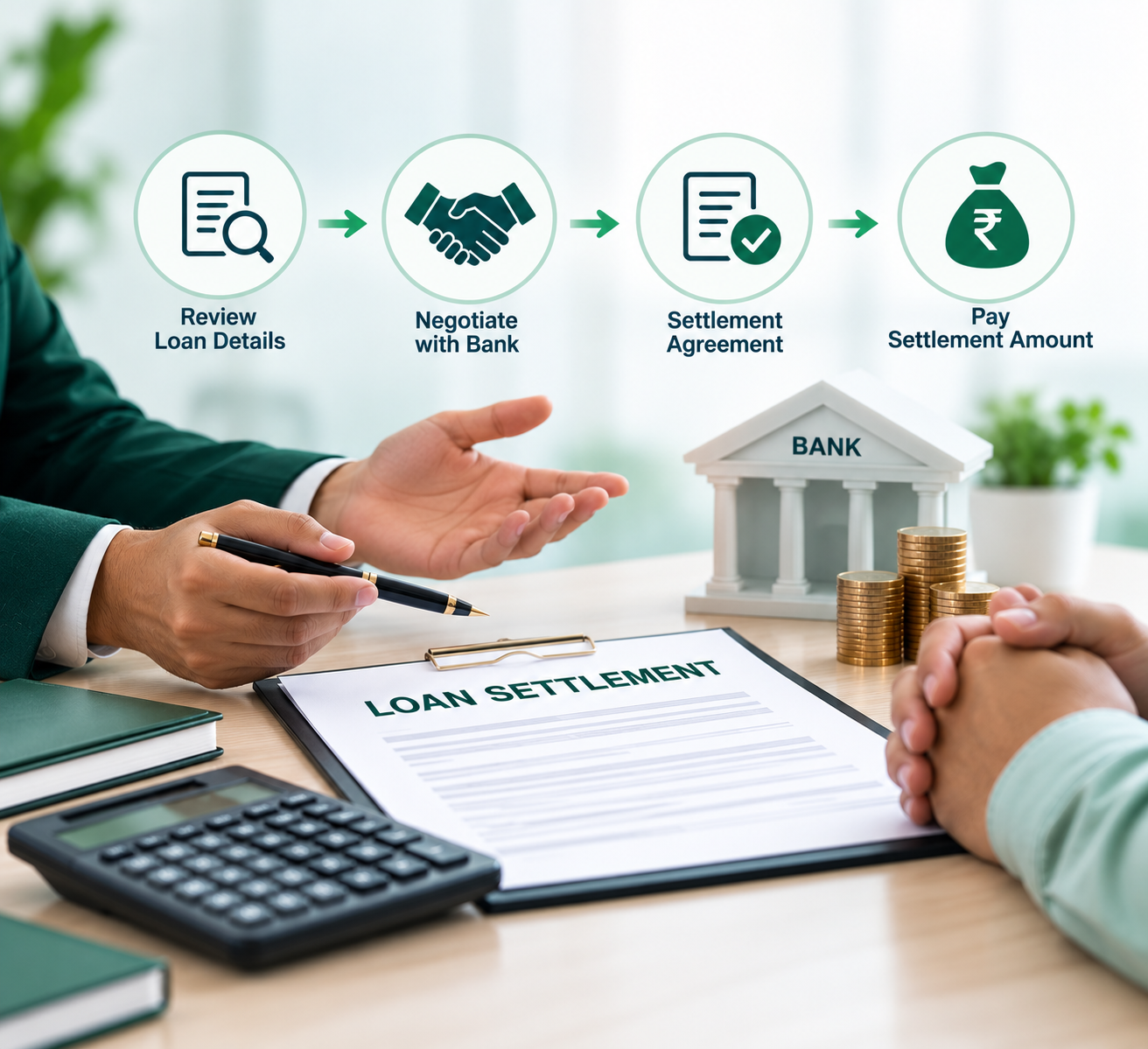
Step 4: Contact the lender or provider about overdue accounts.
Step 5: Ask whether an affordable repayment arrangement is available.
Step 6: Avoid taking additional high-cost credit without evaluating its complete cost.
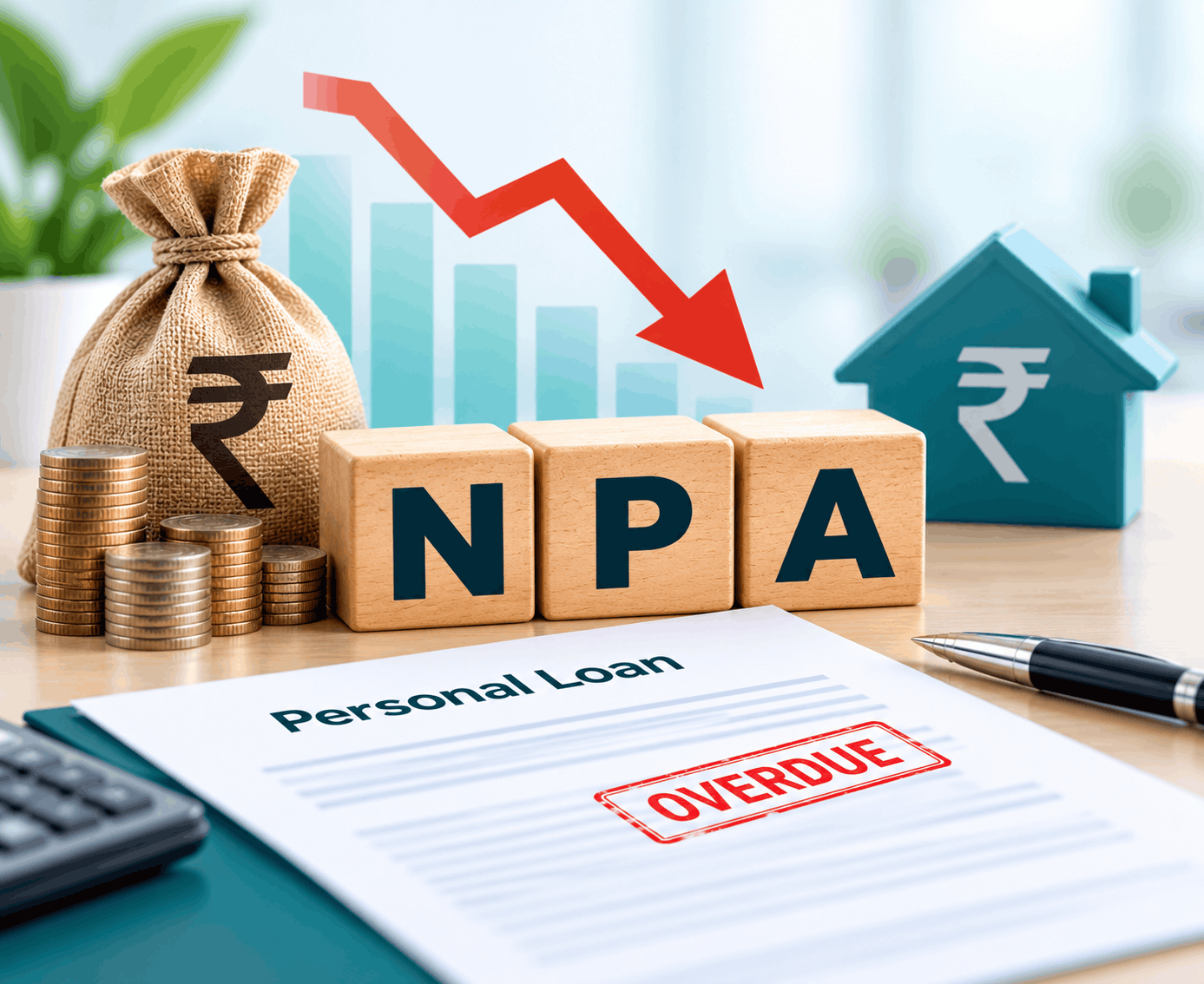
If the BNPL obligations are part of a larger debt problem involving personal loans and credit cards, assess all liabilities together.
9. Can BNPL Debt Be Settled?
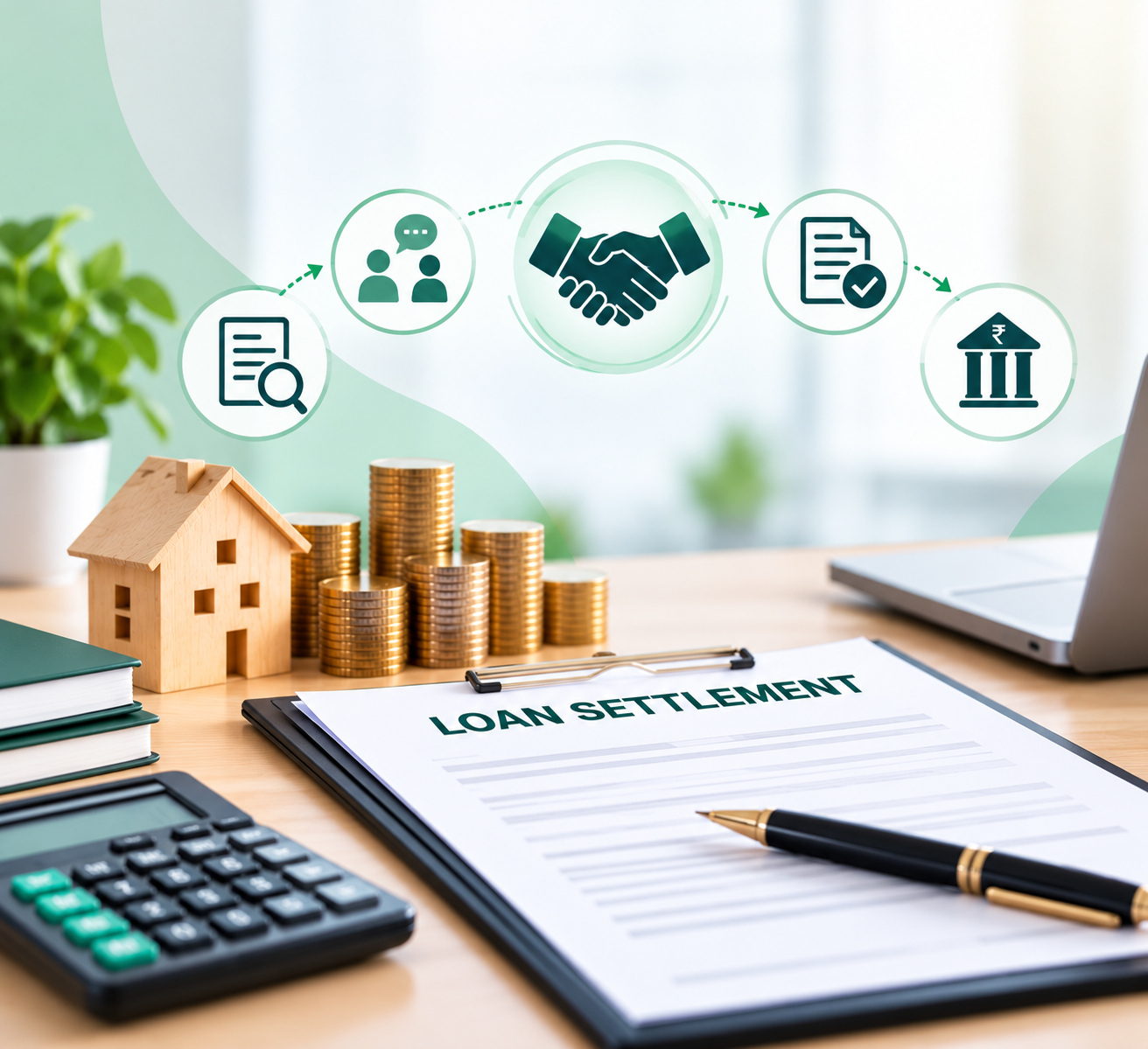
If a BNPL facility represents a loan or credit obligation, you may ask the actual lender whether it considers compromise settlements in cases of genuine financial hardship.
However:
- Settlement is not an automatic right.
- The lender decides whether to approve it.
- There is no universal settlement percentage.
- A settlement may be reported as "Settled" rather than "Closed".
- The status may negatively affect future credit applications.
Do not make payments to an intermediary's personal account based on an informal settlement promise. Obtain written confirmation from the actual lender.
Conclusion: Convenience Should Not Turn Into Long-Term Debt
Buy Now Pay Later can be useful when customers understand the repayment terms and have a clear plan to pay on time.
Problems arise when several deferred payments accumulate, spending exceeds income or new borrowing is used to repay old obligations.
If BNPL payments are becoming difficult to manage, review all your credit commitments, identify the actual lenders and contact them about available repayment options.
ReducedDebts helps borrowers understand debt-management and debt-resolution options in India, including situations involving multiple loans and digital credit obligations.
Disclaimer: This article is for general educational purposes. BNPL products differ in structure, and their credit-reporting treatment depends on the underlying arrangement and lender. Any settlement is subject to lender approval. ReducedDebts is not a lender or a law firm.